How Long Claims Take
Most claims settle in a few weeks, but the timeline depends more on your choices than on luck.
The timeline moves with documentation, not with waiting
A claim takes as long as it takes your insurer to get three things confirmed: what happened, what it will cost to fix, and who's paying. Each of those steps can move fast or slow depending on how clear the information is when it reaches the adjuster. A claim with a clean police report, clear photos and a prompt inspection moves quickly. One with disputed facts, hard-to-reach witnesses or a car that sits for days before anyone looks at it will stretch out no matter how good your insurer is.
The repair estimate is usually the biggest variable. If the shop and the insurer agree on the damage and the cost, the claim can close almost as soon as repairs are done. If they disagree, especially on whether the car is worth repairing at all, that disagreement adds real time while a second opinion or a total-loss valuation gets worked out.
State rules and your insurer's own process also shape the pace. Some states set outer limits on how long insurers can take to respond or pay, and some insurers move faster than others on routine claims. Check your state's insurance department and your policy documents for the specific timeline that applies to you.
What you do in the first few days matters more than anything after. A reader who answers calls quickly, sends documents the day they're asked for, and gets the car to an approved shop fast will almost always see a faster resolution than one who lets each step sit for a few days before responding.
A hit-and-run claim that moved fast because the paperwork did
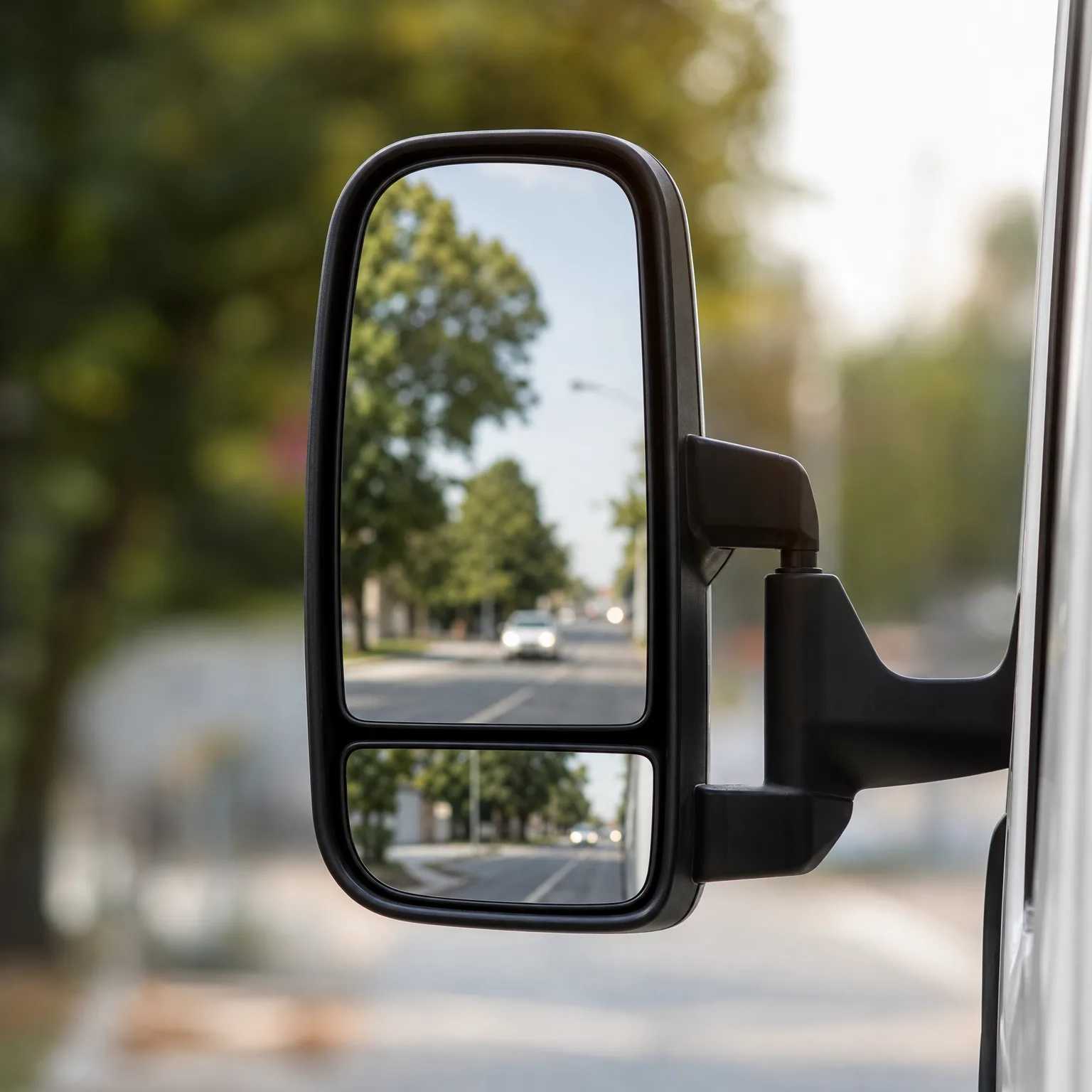
A driver's parked car was hit overnight and the other driver was never identified. She filed a police report the next morning, photographed the damage from several angles, and called her insurer the same day to open the claim under her own policy's uninsured motorist or collision coverage. Because she had the report number and photos ready, the adjuster didn't need to chase her for basic facts, and an inspection was scheduled within days.
The shop and the insurer agreed on the repair estimate without a second inspection, since the damage was straightforward and well documented. She picked up a rental the same day the car went into the shop, under the rental coverage on her policy, and the claim closed once repairs finished and the final invoice matched the approved estimate. The whole process took a few weeks, mostly because nothing had to be redone or re-explained along the way.
What makes a claim take much longer than normal?
Disagreement is what stretches a claim out. That usually means the insurer and the repair shop don't agree on the cost or scope of repairs, or the insurer and you don't agree on whether the car is a total loss. Injury claims also take longer, since medical treatment has to be documented and sometimes finished before a settlement can be calculated.
Fault disputes add time too, especially when there's no police report or the other driver's account conflicts with yours. If your insurer has to coordinate with another insurer to sort out liability, that back-and-forth happens on their timeline, not yours. The fastest way to find out if your claim is at risk of this is to ask your adjuster directly whether anything is unresolved or being disputed.
Now that you know what drives a claim's timeline, compare quotes to find an insurer that moves fast when it matters.

Following up every few days versus waiting to be contacted
If you do
If you check in regularly, you catch delays early, stay aware of what's needed next, and signal that you're paying attention. Adjusters often prioritize claims where the policyholder is responsive and asking real questions. You're also more likely to notice if something is stuck or waiting on you.
If you don't
If you wait to be contacted, your claim can sit behind others where someone is actively following up. Documents you didn't know were needed may go unanswered for days. Repairs can't start until approvals happen, so a claim that goes quiet for a week often ends up taking a week longer to close.
These five things decide your timeline more than anything else
- How fast you report it Reporting late delays everything after it. Call your insurer as soon as you reasonably can and have the basic facts ready.
- Quality of your documentation Clear photos and a police report (when relevant) cut down back-and-forth. Gather these before your first call if you're able to.
- Shop and insurer agreeing A shared estimate speeds things up; a dispute slows things down. Ask early whether your shop works directly with your insurer.
- Total loss or repair decision Total losses involve a valuation step that repairs don't. Ask your adjuster early which category your car is likely to fall into.
- How fast you respond to requests Every day you delay a signature or document adds a day to the claim. Answer insurer requests the same day you get them.

The timeline isn't happening to you, it's something you speed up by being the easiest part of the process.