What Is a Supplement Repair
A supplement repair is extra damage found after work starts, and your shop must get it approved before finishing the job.
Damage hides until the shop opens the car up
An estimate written before repairs begin can only capture what a person can see or measure from outside. Once a panel is pulled off or a bumper is removed, hidden damage often shows up underneath. Bent brackets, cracked mounts, or damage to parts that sit behind the visible ones are common discoveries. That gap between the first estimate and what the repair actually requires is what a supplement covers.
The shop writes the supplement, not you. They document the new damage, often with photos, and send it to the insurer as a request to add it to the approved repair. This is routine and happens on a large share of claims, especially after any real impact. It is not a sign that anything went wrong with your claim.
The insurer usually sends an adjuster back out, or reviews the photos remotely, before approving the added cost. This step takes time, and it is the most common reason a repair that seemed on schedule suddenly slows down. The shop cannot keep working on the newly found damage until the supplement is approved, so the car may sit waiting even though the original work is finished.
How long this takes and how much documentation is required can vary by insurer and by state. Some insurers have shops that are pre-approved to handle small supplements without a return visit, others require sign-off every time. Ask your shop how this insurer typically handles supplements, since they usually know the pattern from experience.
Who pays for a supplement if the insurer denies it?
If the insurer denies a supplement, the shop usually cannot start that part of the work, and the disagreement becomes something you may need to push on directly. This does not mean you personally owe the extra cost. It means the shop and insurer disagree about whether the damage is related to this claim or whether the cost is reasonable.
Your job in that situation is to ask the shop for their documentation and ask the insurer why it was denied, then compare the two answers. Sometimes the fix is more photos or a clearer explanation tying the damage to the accident. If the denial stands and you disagree, you can ask the insurer about their appraisal or dispute process, which exists for exactly this kind of disagreement.

Staying in close contact while the supplement is reviewed
If you do
You call the shop and the adjuster every few days, ask what stage the supplement is at, and get a direct answer on what's holding it up. You catch delays early, keep your rental coverage lined up if needed, and avoid surprises about timeline. The repair tends to move as fast as the process allows.
If you don't
You wait for someone to call you, assuming no news means things are moving. Days pass with the car sitting half-repaired, your rental clock may run out before work resumes, and you find out about a denial or delay much later than you needed to.
Once you understand how supplements work, you can compare quotes knowing what to expect next time a repair needs one.
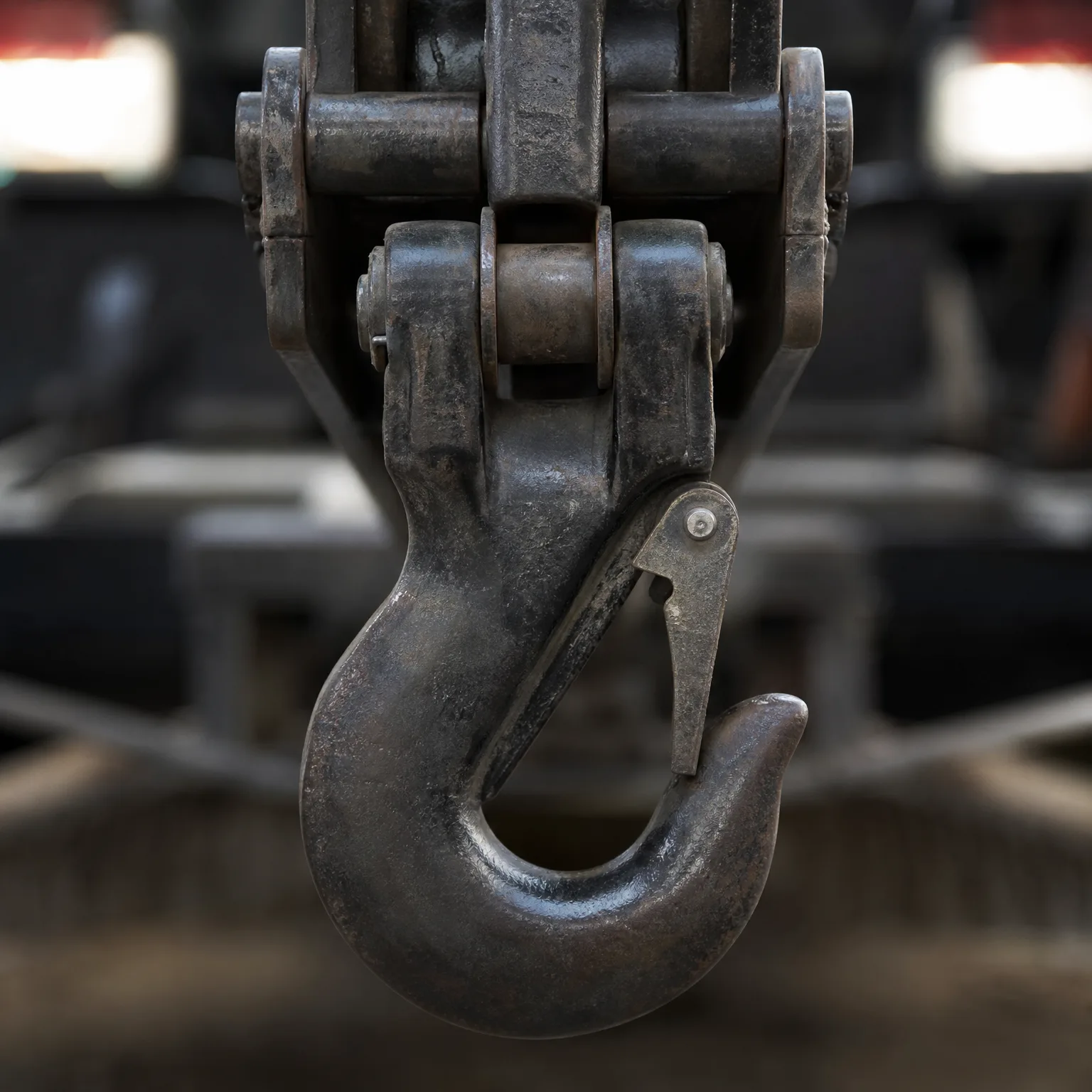
A fender bender that turned into a bigger repair
A driver was rear-ended and the initial estimate covered a new bumper cover and a taillight. When the shop pulled the bumper off, they found the mounting brackets behind it were cracked and a sensor bracket was bent, none of which was visible before. The shop photographed everything, wrote up a supplement explaining how the damage connected to the impact, and sent it to the insurer the same day.
The driver called the adjuster two days later to ask about status, since the shop had told her approval usually took a few business days for this insurer. The adjuster confirmed the supplement was under review and approved it by the end of that week after reviewing the photos. The shop resumed work immediately, and the car was finished about four days later than the original estimate had suggested, which the driver was prepared for because she had asked early and kept checking in.

A supplement isn't a problem, it's the normal result of damage nobody could see until the car opened up.
Will a supplement repair raise my insurance rates?
Not on its own. Rates are generally tied to the claim itself and the type of accident, not to the specific repair costs discovered along the way. A supplement is part of settling that same claim accurately, it does not count as a separate event. What can affect your rate is the underlying claim type and your state's rules and your insurer's own guidelines, so ask your agent directly how this particular claim is being coded if you're concerned.
How long does a supplement approval usually take?
It varies by insurer and by how the shop and adjuster communicate, so there's no single standard timeline. Many are resolved within several business days when photos are clear and the damage is clearly tied to the accident. Delays happen when an adjuster needs to physically reinspect the car, when documentation is incomplete, or when the insurer is backlogged. Ask your shop what's typical for this specific insurer, since shops usually see the pattern repeatedly and can give you a realistic expectation.
Can I get a second opinion if I think the supplement is wrong?
Yes, you can ask another shop to review the damage and the estimate, though doing so may slow down the repair further. If you believe the shop missed something or the insurer's denial doesn't match what you understand about the accident, a second opinion gives you independent documentation. Check whether your policy or state has a formal appraisal process for disputes, since that process exists specifically for disagreements about repair costs and scope.