How Accurate Are Car Repair Estimates
A repair estimate is a careful guess based on visible damage, so it's accurate at the start but often changes once the shop opens things up.
Why the first number rarely stays the same
An estimate is written from what a person can see and measure before any disassembly happens. Bumpers, panels and sensors can hide damage underneath, so the first estimate is really a starting point, not a final bill. Once the shop opens the car up, they often find bent brackets, damaged wiring or structural issues that nobody could have spotted from outside.
This is why estimates get revised, sometimes more than once. A supplement is a normal part of the process, not a sign that someone made a mistake the first time. The shop writes a new estimate, sends it to the insurer, and the insurer reviews it before approving the added cost.
Accuracy also depends on who's doing the estimating. An insurer's adjuster, an independent shop, and the shop you choose to do the work may each write a different number, because they're pricing parts and labor differently or assuming different repair methods. None of them is necessarily wrong. They're working from different assumptions about what the repair should involve.
Where this gets inconsistent is in how insurers handle the gap between estimates. Some will accept the repair shop's number without much pushback. Others want their own adjuster to inspect the car first, or want a second opinion before approving a higher estimate. Check with your insurer how they handle a difference between their estimate and the shop's, because that process varies.
The short version
Repair estimates are accurate for what's visible, but hidden damage often means the number grows once work begins. This is normal and called a supplement. Choose a shop you trust, expect the estimate to change, and ask your insurer how they handle differences between estimates before repairs start.
What shapes whether the estimate holds up
- Hidden damage Estimates are written before disassembly, so damage underneath often isn't counted yet. Expect the number to move once the shop opens the car up.
- Who wrote it An insurer's adjuster and your chosen shop can write different numbers from different assumptions. Ask both to explain their reasoning if the gap is large.
- Parts and labor choices Estimates can assume new, used or aftermarket parts, which changes the total. Ask which type your estimate assumes and whether you can request a different one.
- Supplements A revised estimate after work begins is normal, not a red flag. Make sure the shop sends supplements to your insurer promptly so repairs aren't delayed.
- Your right to a second opinion If the numbers don't match what your car needs, you can ask for another shop to look at it. Check your policy or ask your insurer how disputes over estimates are resolved.
Knowing how estimates work, you can compare quotes without worrying a revised number will catch you off guard.
When the estimate changed after the shop opened the bumper
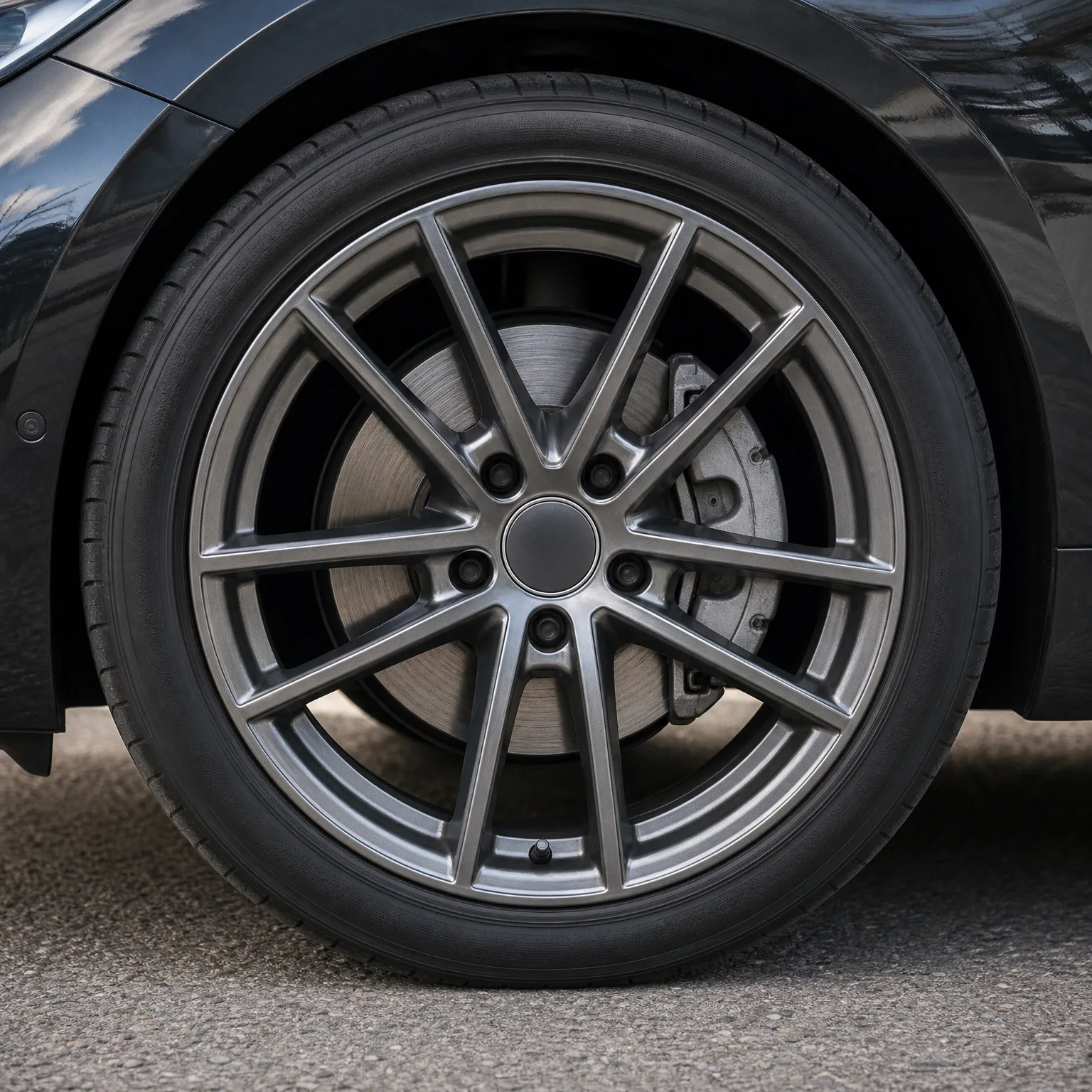
A driver brought their car in after being rear-ended. The shop's first estimate covered the bumper cover and a sensor, based on what was visible from outside. The driver approved the repair and the shop began work a few days later.
Once the bumper was off, the shop found a bent mounting bracket and damage to the reinforcement bar behind it, neither of which had been visible before. The shop wrote a supplement, sent it to the insurer with photos, and the insurer approved the added cost within the same week. The driver's total repair time stretched a bit longer than expected, but the final repair matched what the car actually needed instead of stopping short at the original number.

What if I disagree with the insurer's estimate?
You're not required to accept it as final. If your chosen shop's estimate is higher than the insurer's, you can ask the shop to document the difference in writing, usually with photos and a line by line explanation, and send it to the insurer for review.
Most insurers have a process for this, though how formal it is varies. Some will send their own adjuster to look at the car again, others will accept the shop's documentation without further inspection. Ask your insurer directly what their process is before repairs start, so you know what to expect if a gap shows up. If you still disagree after that review, check your policy for how disputes are handled, since some include a formal appraisal process for exactly this situation.