Can You Buy Back a Total Loss Car
Yes, most insurers will let you buy back your totaled car, but the payout and paperwork work differently than if they kept it.
Insurers allow it because they'd rather not deal with the car
When your insurer declares your car a total loss, they're really saying it costs more to fix than it's worth, not that the car is unsalvageable. Once they pay your claim, the car legally belongs to them. They plan to sell it at auction, usually to a salvage buyer or rebuilder. Letting you buy it back instead just saves them that step.
The insurer still comes out ahead either way, so they subtract what they'd expect to get at auction from your settlement. That amount is often called the salvage value, and it varies based on the car's condition and local salvage demand. You're not getting a discount out of generosity, you're getting your own car back minus what the insurer would have made selling it to someone else.
What changes is the title. Once a car is declared a total loss, most states require the title to be branded, usually as salvage or rebuilt, before it can be driven again. You'll need to get the car inspected and the title reissued before you can register and insure it normally. The rules for that inspection and the exact title brand used depend on your state, so check with your state's motor vehicle agency before you commit to buying it back.
There are cases where buyback isn't offered at all. Some insurers won't release a car that's been flooded or structurally damaged beyond a certain point, since rebuilding it would be unsafe no matter what inspection it passes. If that's your situation, ask your adjuster directly whether buyback is even on the table before you start planning around it.
A driver whose car was hit while parked outside
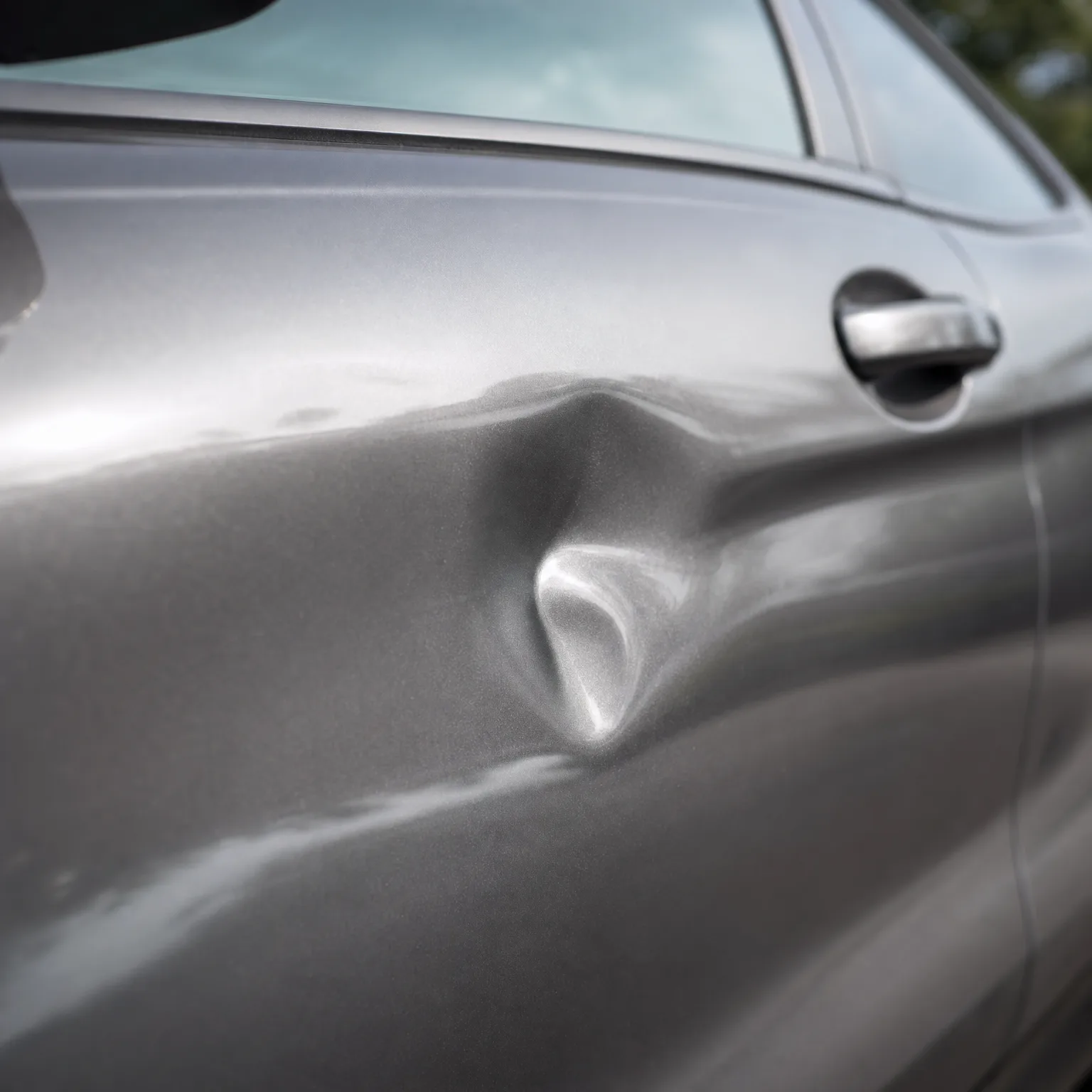
A driver's car was parked on the street when another vehicle sideswiped it and kept going. The body damage was extensive enough that the insurer declared it a total loss, even though the engine and interior were untouched. The driver had just finished paying off the car and didn't want to lose it to auction for a fraction of its worth, so she asked her adjuster about buying it back.
The insurer explained that her settlement would be reduced by the salvage value, the amount they expected a salvage buyer would pay at auction. She agreed, paid the reduced amount, and took the car to a licensed inspection station as her state required for a salvage title. The car passed, she got a rebuilt title issued, and after confirming an insurer that would cover a rebuilt title, she was back on the road in her own car for a fraction of what a replacement would've cost.

Deciding whether to buy back your totaled car
If you do
You keep the car you already know and can fix it on your own terms. But your settlement drops by the salvage value, you'll need a salvage or rebuilt title, and the car must pass a state inspection before you can register and insure it again. Some insurers may charge more to cover it afterward.
If you don't
You get the full settlement amount with nothing subtracted, and the insurer takes the car and handles the sale. You walk away with cash to put toward a replacement, but you lose any chance to keep or repair the car yourself, even if the damage looked worse than it was.
Once you know whether you're keeping or replacing your car, compare quotes to see what it'll cost to insure either path.
What to sort out before you agree to a buyback
- Ask for the salvage value This is what gets subtracted from your settlement. Ask your adjuster exactly how it was calculated before you agree to anything.
- Check your state's title rules Most states require a salvage or rebuilt title and an inspection before the car can be driven again. Contact your state's motor vehicle agency to find out what's required.
- Confirm repairs are legal Some states won't let certain total losses be rebuilt at all, regardless of repair quality. Ask the inspection station or your state agency before you spend money on repairs.
- Line up insurance in advance Not every insurer will cover a car with a rebuilt title. Call around before you finalize the buyback so you're not stuck with an uninsurable car.
- Get repair costs in writing Estimate what it'll actually cost to fix the car before deciding. Compare that total, plus the reduced settlement, against the cost of just replacing the car outright.
Will a rebuilt title hurt the car's value if I ever sell it?
Yes, a rebuilt or salvage title will lower the car's resale value, often significantly, no matter how well it's repaired. Buyers see that title brand as a permanent red flag, since it signals the car was once declared a total loss regardless of the actual quality of the repair work done.
That doesn't mean the car is worthless or unsafe to drive. Plenty of rebuilt cars run fine for years. But if you're weighing whether to buy back a totaled car, factor in that you're trading resale value for a lower upfront cost. If you plan to keep the car long-term and don't care about trade-in value, that tradeoff may not matter much. If you expect to sell or trade it in a few years, ask yourself whether the savings now are worth the lower price you'll get later.