How to File a Claim for a Hit and Run
You file with your own insurer under uninsured motorist or collision coverage, and a police report backs up your claim.
A parked car hit while you were inside a store
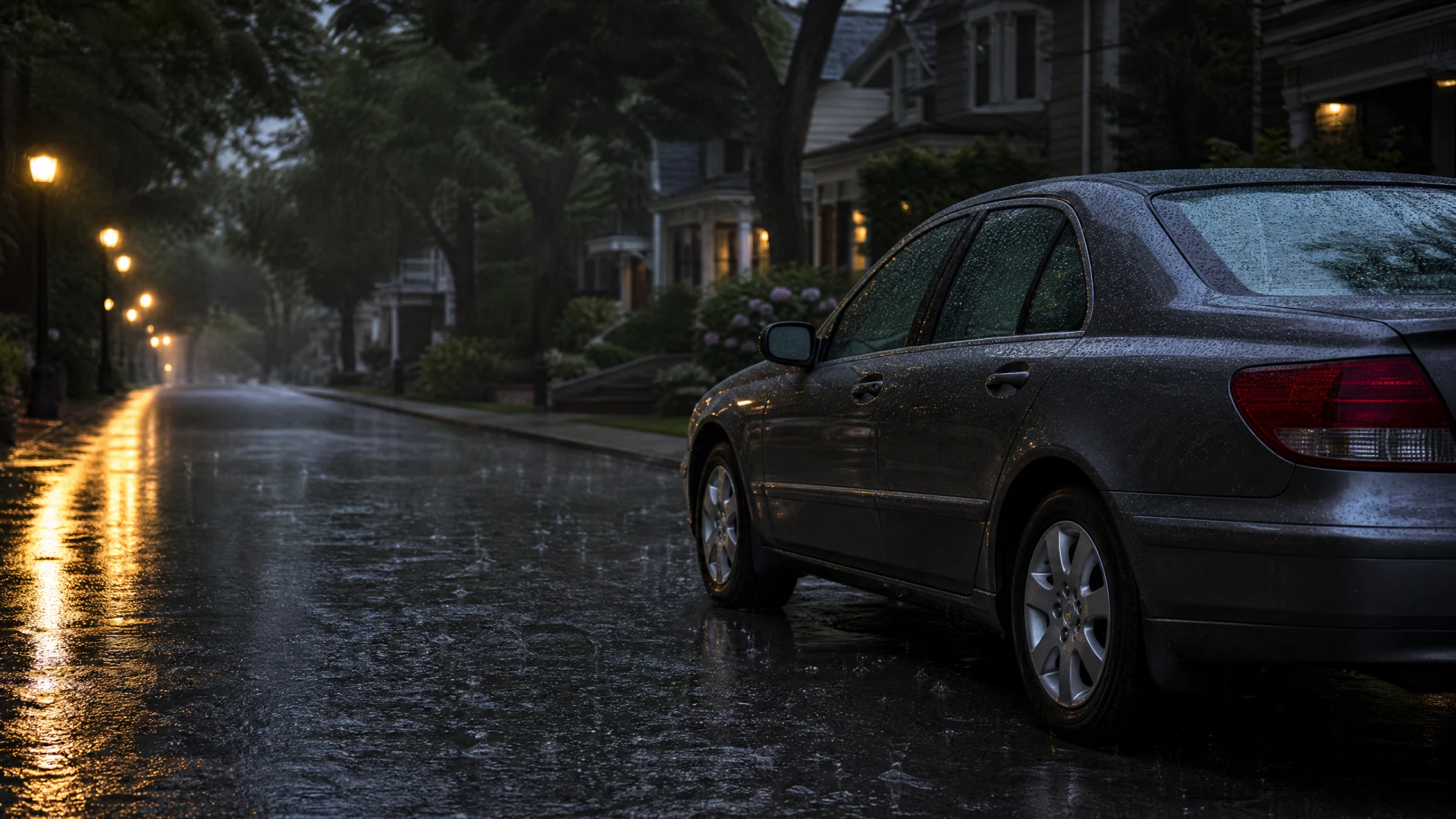
You came out of a store and found your bumper crushed and the other car gone. No note, no witness who saw a plate. You called the police to file a report, then called your insurer the same day to start a claim, even though you didn't have the other driver's information yet.
Your insurer opened the claim under your uninsured motorist property damage coverage, since the at-fault driver couldn't be identified. An adjuster asked for the police report number, photos of the damage, and the repair estimate. Because there was no other driver to pursue, the claim moved on your own policy's terms, and you worked directly with your insurer on the estimate and repair without waiting on anyone else.
Will my rates go up for a hit-and-run that wasn't my fault?
In many states, a claim with no identified at-fault driver is treated differently than a standard at-fault claim, but this isn't guaranteed everywhere or with every insurer. Some states have rules that protect drivers from rate increases after claims where they weren't responsible, including some hit-and-run claims, but the details of what counts and how long it affects you vary by state and by insurer.
Ask your insurer directly how this specific claim will be coded and whether that classification affects your rate. Ask whether your state has protections for not-at-fault claims and whether this claim qualifies. Get the answer in writing if you can, since this is the kind of thing that's easy to hear one way on the phone and see another way later.
The police report and your own coverage, not the other driver, are what actually move this claim forward.
Once you know how your claim is coded and what it costs you, compare quotes to see if you're still paying a fair price.
What actually moves a hit-and-run claim forward
- File the police report first Insurers want a report number before they'll open the claim, and it's the main evidence that a crime happened to you. File it at the scene or as soon as you can after.
- Check your coverage first Uninsured motorist coverage usually pays out when the other driver can't be found. If you don't have it, your claim may fall to collision coverage instead, which works differently.
- Report the claim right away Don't wait until you have every detail. Start the claim with what you know and add the police report number and photos as you get them.
- Document everything you can Photos of the damage, the scene, and any partial plate or vehicle description help even if they seem incomplete. Give your insurer everything, even small details.
- Ask how the claim is classified Not-at-fault classification can matter for your rates later. Ask your insurer directly how this claim is being coded on your record.
What if I don't have uninsured motorist coverage for a hit-and-run?
Your claim will likely go through your collision coverage instead, which pays for damage to your car regardless of fault but usually comes with a deductible you pay out of pocket. Check your policy or ask your insurer which coverage applies to your situation, since this changes what you owe before repairs start and whether the claim affects your rate differently than an uninsured motorist claim would.
Can I still get paid if the other driver is never found?
Yes, that's exactly what uninsured motorist or collision coverage is for. You don't need the other driver identified for your own insurer to pay your claim under your policy. The claim proceeds based on your coverage and the evidence you have, like the police report and photos, not on catching the other driver.
Do I need to get my own repair estimate or use the insurer's?
You can usually choose your own repair shop, but check your policy and ask your adjuster what the process is in your state. Some insurers have preferred shops with faster processing, while others let you pick any licensed shop and still cover the estimate. Ask what happens if your chosen shop's estimate differs from the insurer's own inspection.