What Does a Claim Closing Letter Mean
A claim closing letter means your insurer sees your claim as fully resolved, with no more payments or action unless you dispute it.
The letter marks the end of the insurer's work, not necessarily yours
Insurers send a closing letter once they believe every part of your claim has been resolved. That usually means the payout has been issued, the repair or total loss settlement is final, and any rental coverage has ended. The letter is their internal signal that the file can be archived, and it also puts you on notice that they consider the matter settled.
That doesn't always match your own sense of being done. Repairs might still be underway, a supplemental estimate might be pending, or you might be waiting on a reimbursement that hasn't arrived yet. The letter can go out on a schedule that doesn't line up with your actual experience of the claim, especially if there's been any back and forth about the estimate.
What the letter means for your rights varies. Some insurers treat it as final unless you object within a window, while others will reopen a claim if new damage or costs come to light later. Your state's insurance rules and your policy's own language both affect how much room you have to push back after the letter arrives, so check both before assuming the door is closed.
If you disagree with anything in the letter, the time right after you receive it is usually when you have the most leverage. Insurers expect some claims to generate questions, and a closing letter isn't a legal bar to raising them. It's a statement of where things stand from their side, not a final word you're required to accept without comment.
What to do when the letter arrives
- Read the settlement amount Check that the dollar figures match what you were told verbally or in writing earlier. Any mismatch should be questioned immediately, not after you've cashed a check.
- Confirm repairs are finished If your car isn't back from the shop or still has issues, say so before treating the claim as closed. A letter doesn't override unfinished work.
- Check for reopening language Look for any mention of how long you have to dispute the decision. This window varies by insurer and state, so don't assume you're out of time.
- Save every document Keep the letter, estimates, and photos even after the claim closes. If new damage surfaces later, this paperwork is what supports reopening the file.
- Ask about rate timing Closing doesn't mean your rate change happens immediately. Ask your insurer directly when and how this claim will show up at renewal.
Once you know what your closing letter actually settles, compare quotes to see how this claim affects your options.
Can a claim be reopened after you get a closing letter?
Yes, in many cases, though how easily depends on your insurer and your state. A closing letter is usually a statement of the insurer's current position, not an irreversible legal decision. If new damage is discovered that's clearly connected to the same incident, or if you can show the original settlement didn't account for something real, most insurers have a process to review it again.
What varies is how long that window stays open and how much proof you need. Some insurers are flexible if you reach out quickly with documentation. Others require you to meet a specific deadline stated in your policy or the letter itself. Check your policy wording and ask your adjuster directly what the reopening process looks like, since it's rarely explained upfront.
A storm claim closes before the repair bill is finalized
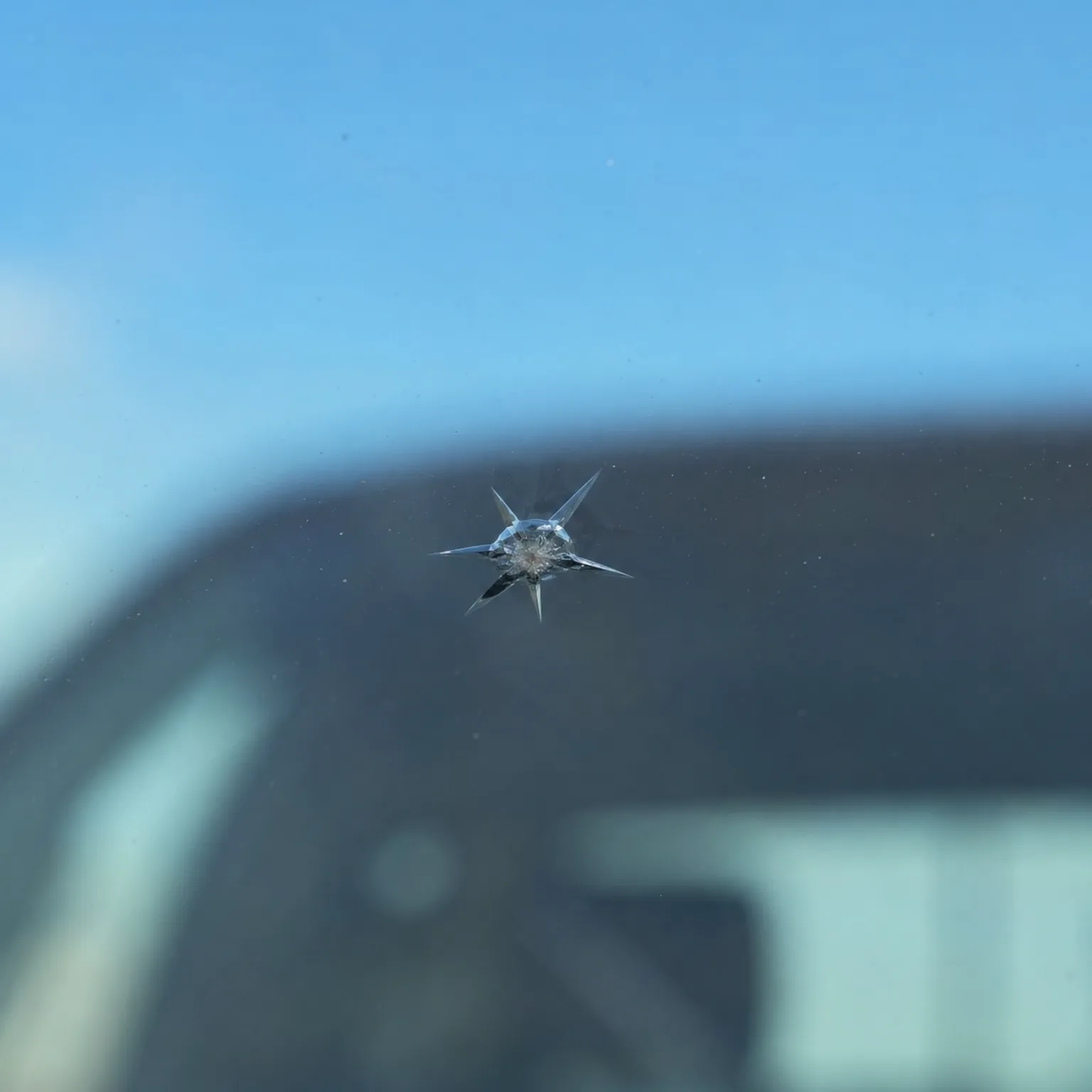
A driver filed a claim after hail damage to their car's hood and roof. The insurer approved an estimate, the body shop began work, and a few weeks later the insurer sent a closing letter confirming the claim was settled and payment had been issued. The driver assumed everything matched up since the repair was already underway.
When the shop finished, they found additional damage under the hood liner that hadn't been visible during the first inspection. The driver contacted the insurer directly, referencing the original claim number and the closing letter, and explained the new findings with photos from the shop. Because the damage was clearly tied to the same hailstorm, the insurer reopened the claim and issued a supplemental payment. The original closing letter didn't block this, it simply hadn't anticipated damage that wasn't visible until the repair was further along.
Does a closing letter mean my claim payout is final?
Usually yes for the amount stated, but it's not always unchangeable. If you accepted and cashed a settlement check, that often signals agreement with the amount. But if new damage or costs appear that weren't part of the original estimate, many insurers will still consider a supplemental payment. Check your letter for specific language about finality before assuming there's no room to revisit the number.
Will a claim closing letter affect my insurance rate right away?
Not necessarily right away, since rate changes typically happen at your next renewal rather than the moment a claim closes. The closing letter confirms the claim's outcome, but your insurer calculates rate impact separately, often based on fault, claim type, and your overall history. Ask your insurer directly when this specific claim will be reflected in your premium so you're not caught off guard at renewal.
What should I do if I disagree with my claim closing letter?
Contact your insurer directly and in writing as soon as possible, referencing your claim number and the specific point you're disputing. Insurers generally expect some claims to need follow-up, and a closing letter isn't meant to shut down legitimate questions. Keep all documentation, including repair estimates and photos, since this is what supports your case. Ask what the formal dispute or reopening process looks like, since it varies by company.