Does Gap Insurance Cover Theft
Yes, gap insurance covers theft when your car is never recovered or totaled after the theft, once your regular insurer pays out.
Gap coverage only steps in after your own insurer pays the theft claim
Gap insurance was never designed to replace your car insurance. It exists to close a specific hole that regular coverage leaves behind, which is the space between what your car is worth and what you still owe the lender. Theft fits into that picture because a stolen car that is never found, or one that's recovered badly damaged, gets treated as a total loss by your insurer.
When that happens, your comprehensive coverage pays out based on the car's actual cash value at the time it was stolen, not what you paid for it and not what you owe. If your loan balance is higher than that payout, you're left covering the difference yourself. Gap insurance is what pays that remaining balance instead of you.
The order matters here. Your own insurer has to process the theft as a covered claim and issue its payout first. Gap coverage calculates its payment based on that number, so it's always a second step, never the first call you make after a theft.
Where this changes is in the fine print of your gap policy itself. Some exclude certain causes of loss, some cap how much they'll pay, and some require the theft to be reported within a set window. Check your gap policy's terms directly, because these details vary by provider and aren't standard across the industry.
What if my car is never found after being stolen?
If your car is never recovered, your insurer will eventually treat it as a total loss rather than waiting indefinitely. Most insurers have an internal timeline for this, often tied to when local law enforcement officially closes the search or confirms recovery is unlikely. Once that happens, the claim moves forward exactly like any other total loss.
Your insurer pays out based on the car's value right before it was stolen. Your gap policy then covers the difference between that payout and what you still owe on your loan or lease. The waiting period before a car is declared unrecoverable varies by insurer and sometimes by state, so ask your adjuster directly what timeline applies to your claim and what you should do in the meantime.

Filing the gap claim promptly after your car insurer pays out
If you do
You give your gap provider the payout documentation while your loan balance and the claim details are still fresh and easy to verify. The remaining balance gets paid off quickly, your loan closes out, and you stop making payments on a car you no longer have within a normal processing window.
If you don't
Your loan continues accruing interest while the gap claim sits unfiled, and you keep making payments on a car that's gone. Some gap providers also enforce filing windows, so waiting too long risks the provider denying the claim entirely, leaving you responsible for the full remaining balance yourself.
Now that you know how gap and comprehensive coverage work together, compare quotes to confirm both pieces are in place.
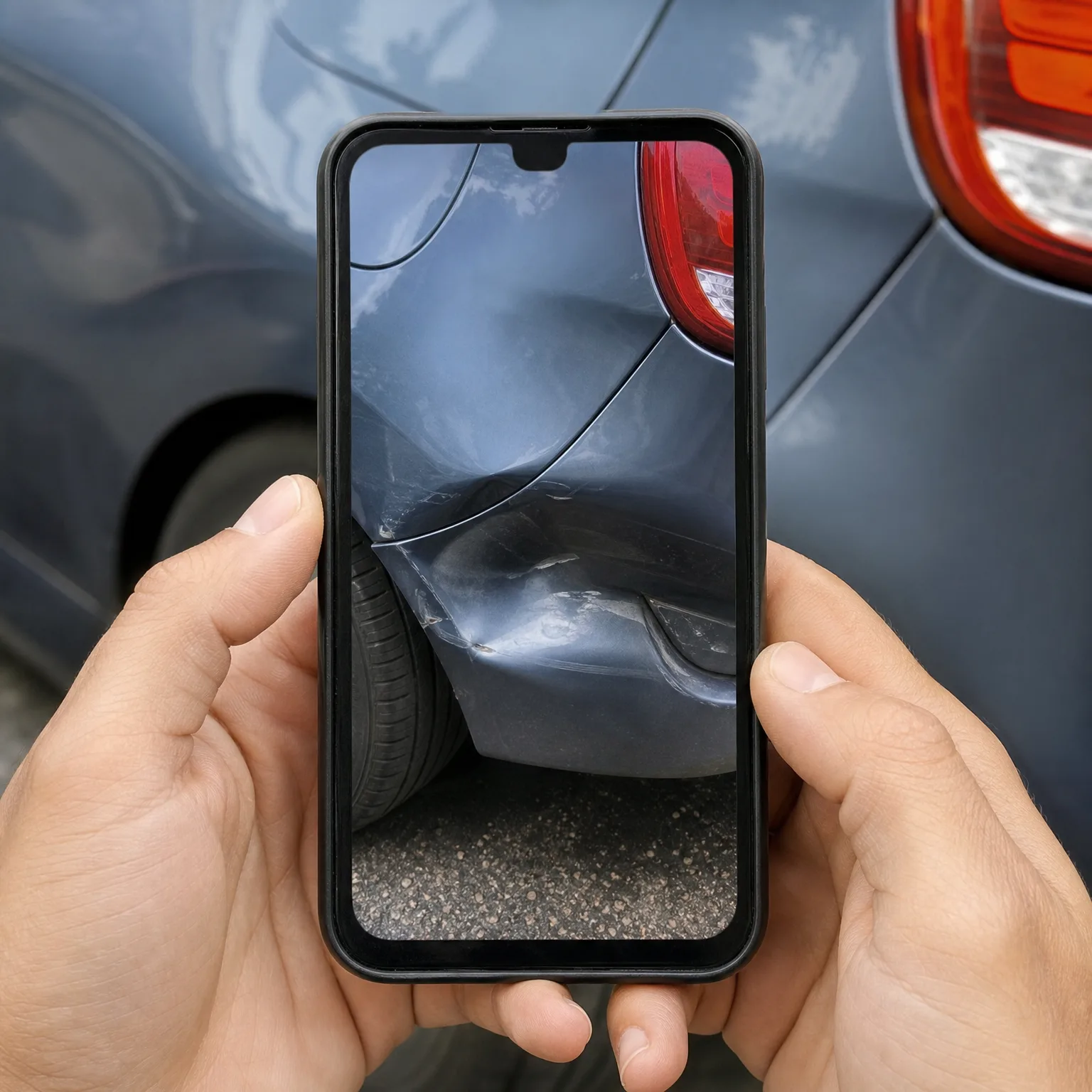
What to confirm before you assume gap coverage will pay out
- Comprehensive coverage is active Gap insurance pays after a comprehensive theft claim, so without comprehensive coverage on your policy there's no payout for gap to supplement.
- Theft gets ruled a total loss Gap only pays out once your car is declared a total loss, not simply reported stolen, so ask your adjuster when that determination happens.
- Your gap policy's exclusions Some gap policies exclude certain theft scenarios or require police reports filed within a set time, so read your specific policy terms closely.
- Loan balance versus payout gap Request your exact loan payoff amount and compare it to your insurer's valuation, since that difference is what gap actually covers.
- Filing deadlines for gap claims Many gap providers require you to file within a specific window after your insurer's payout, so confirm that deadline right away.
A stolen car that was never recovered
A driver's car was stolen from a parking garage and never turned up again. After a few weeks of investigation, local police told her insurer they considered the case closed with no leads, and her insurer moved to declare the car a total loss. She provided her loan statement, registration, and the police report to speed things along, since the adjuster needed all three to finalize the valuation.
Her insurer paid out based on the car's value the week before it was stolen, which came in well below what she still owed on her loan. She submitted that payout statement to her gap provider immediately, along with her loan payoff quote from the lender. The gap provider processed it within their standard timeline and paid off the remaining loan balance directly to her lender, closing out the loan entirely without her paying anything further out of pocket.
Does gap insurance cover a stolen car radio or personal items inside?
No, gap insurance never covers personal belongings or aftermarket items taken from inside your car. It only covers the gap between your loan balance and your insurer's payout for the vehicle itself as a total loss. Stolen personal items need to be claimed separately, usually through comprehensive coverage up to whatever limit applies, or sometimes through homeowners or renters insurance instead. Check your comprehensive policy for what it covers regarding personal property, since this varies by insurer and isn't guaranteed.
Will a theft claim with gap insurance raise my car insurance rates?
It depends on your insurer and your state's rules, since theft claims are sometimes treated differently from at-fault accident claims for rating purposes. Many insurers consider theft a no-fault, comprehensive claim that doesn't carry the same rate impact as collision claims do. However, filing any claim can still affect your rate depending on your insurer's specific policies and your claims history. Ask your agent directly how this particular claim will be treated before you assume either way.
Can I still get gap insurance after my car has already been stolen?
No, gap insurance has to be in place before the theft happens, since it's not something you can add retroactively to cover a loss that already occurred. Insurance in general doesn't work backward from a known event. If your car is stolen and you don't already have gap coverage, you'll be responsible for any difference between your insurer's payout and your remaining loan balance. For future vehicles, ask about adding gap coverage when you first finance or lease the car.