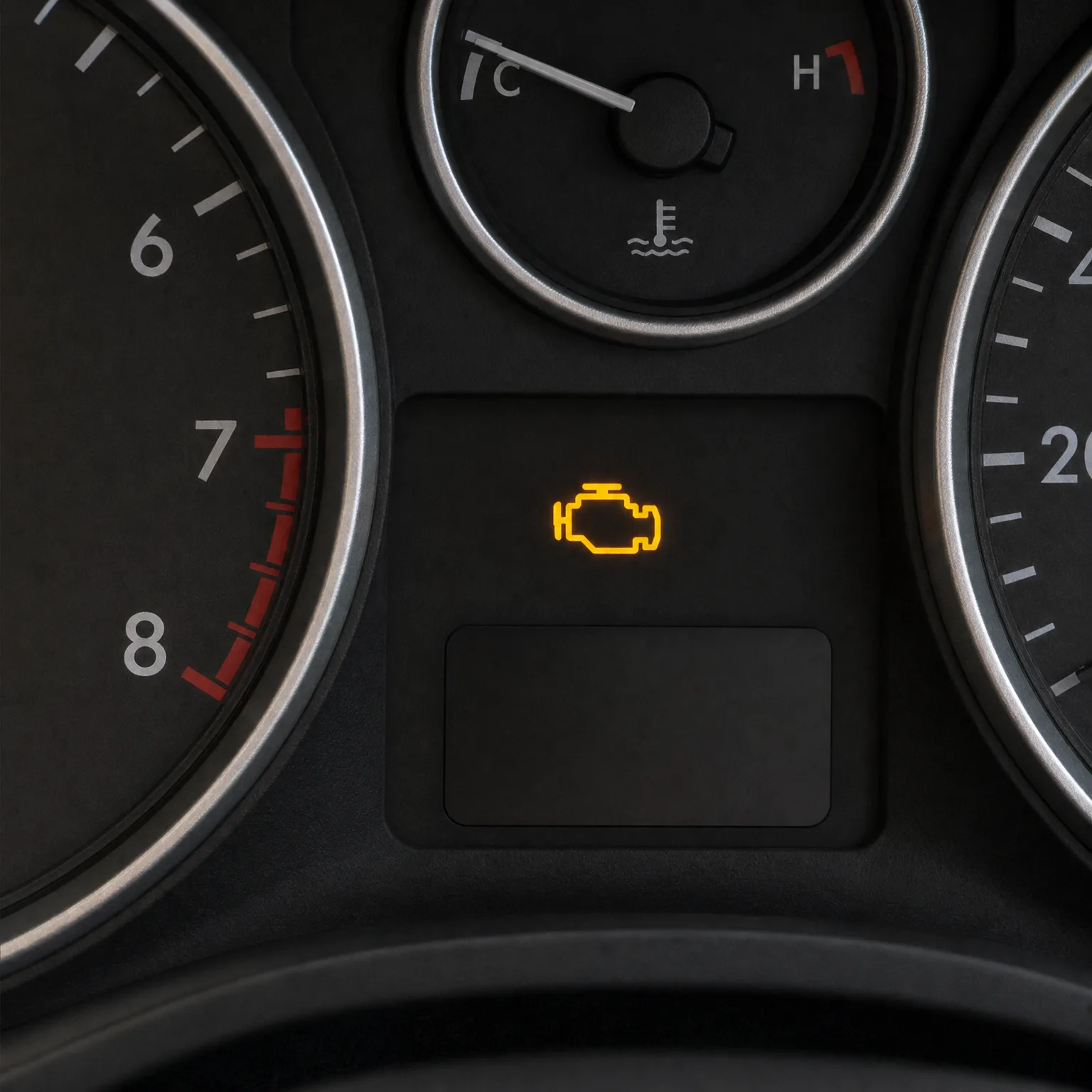
Electrical Problems After Car Repair
If electrical trouble started after a repair the shop did, the shop is responsible for fixing it, not your insurer.
Why the repair shop, not your insurer, owns this problem
When a shop repairs your car after a covered claim, they take on responsibility for the quality of that work. Electrical systems are interconnected, so a repair that touched wiring, a sensor, a module or even the battery can cause problems that only show up once you're driving the car normally. If those problems trace back to the repair, that's a workmanship issue between you and the shop, not a new event for your insurer to cover.
Most shops guarantee their repairs for a period of time, and many insurers require direct repair shops in their network to stand behind the work for as long as you own the car. That guarantee is separate from your policy. It exists because the shop, not the insurance company, is the one who did the physical work and is in the best position to fix a mistake or a bad part.
This changes if the electrical problem isn't connected to the repair at all. A car can develop an unrelated electrical fault right after a repair purely by coincidence, especially in an older vehicle or one with existing wear. In that case it may fall under your regular mechanical coverage, a warranty, or out of pocket repair, not the shop's guarantee and not your claim.
It also changes if the original damage itself caused hidden electrical harm that wasn't caught during the first repair. If an adjuster or a second shop confirms the new problem stems from the original accident, it can usually be added to the existing claim rather than treated as new damage or a shop error.
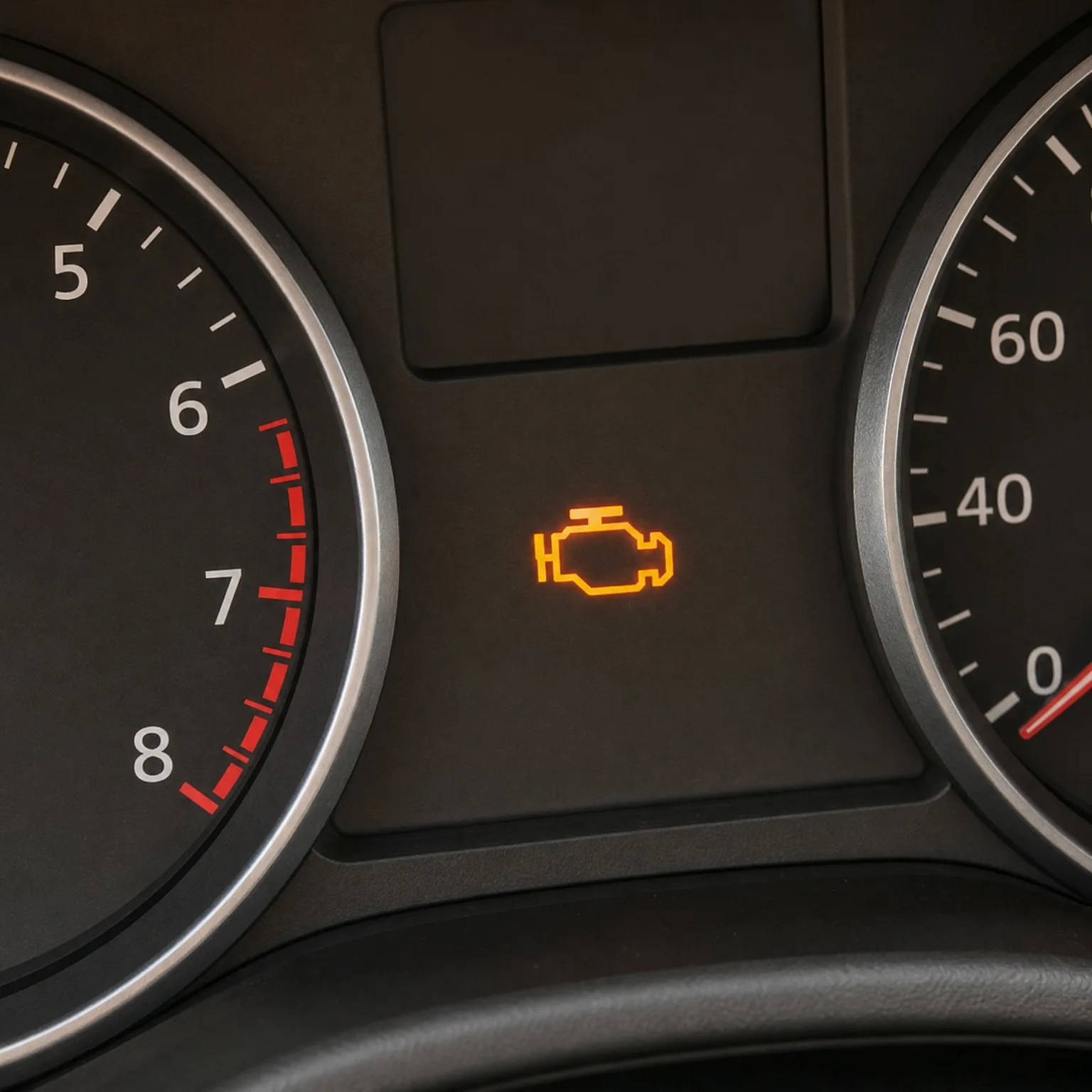
What to do when electrical trouble shows up after a repair
- Go back to the shop first Tell the shop exactly what's happening and when it started. Most repair guarantees require them to inspect and fix related problems before you go anywhere else.
- Check the repair guarantee Ask for the written warranty terms on your repair. This tells you what's covered, for how long, and whether it transfers if you sell the car.
- Get a second opinion if needed If the shop denies the problem is related, a second mechanic can confirm whether the issue traces back to the repair work or wiring that was disturbed.
- Loop in your adjuster if unsure If it's unclear whether this is shop error or original accident damage, ask your adjuster to help confirm which one it is before you pay for anything.
- Keep all new paperwork Save invoices, diagnostic reports and dates for the new problem separately from your original claim file, in case you need to dispute who's responsible.
A dashboard warning light two weeks after a collision repair
A driver had their car repaired after a parking lot accident that damaged the front bumper and a headlight assembly. Two weeks later, the dashboard warning lights for the airbag system started flickering on and off, something that never happened before the accident. The driver assumed this meant a new insurance claim, but instead called the repair shop first since the warning light involved wiring near the area they had worked on.
The shop inspected the car and found a connector near the headlight housing that hadn't been seated properly during the repair. Because this was their own workmanship issue, they fixed it under their repair guarantee at no cost to the driver and no new claim was filed. The driver kept the diagnostic report from that visit in case the light reappeared, but the fix resolved it completely and the car passed a follow up check a week later.
Once you know whether this is a shop issue or a claim issue, you can compare quotes with confidence.

What if the shop refuses to fix the electrical problem?
If the shop denies responsibility, your next step is documentation, not argument. Get a written diagnosis from a second, independent mechanic that states plainly whether the electrical fault is connected to the repair work the first shop performed. This gives you something concrete to bring back to the shop or, if needed, to your insurer or state consumer protection office.
Many states regulate repair shop guarantees and give you a way to file a complaint if a shop won't honor its own warranty, so check what applies where you live. If your insurer required or recommended the shop, they may also have leverage to get it resolved, since their network relationships often depend on shops standing behind their work. Don't pay for a shop's mistake out of pocket before you've explored these options.
A repair guarantee exists for this moment, so use it before assuming this is your insurer's problem.