Is There a Way to Avoid Paying a Deductible
In most cases you can't avoid your deductible, but there are specific situations where someone else ends up paying it instead of you.
It depends on who caused the damage, not on asking nicely
Your deductible is the amount you agreed to cover before your insurer pays anything on a claim. It's built into your policy as a way to share the cost of repairs with you, and it applies whenever you use your own collision or comprehensive coverage to fix your car. Because it's part of the contract you signed, your insurer can't simply waive it on request.
The real exception shows up when someone else is clearly at fault. If another driver caused the accident and their insurer accepts responsibility, their policy pays for your damage and your own deductible never comes into play. The same logic applies to some hit-and-run and vandalism cases, where your insurer may pursue the at-fault party afterward and refund your deductible if they succeed.
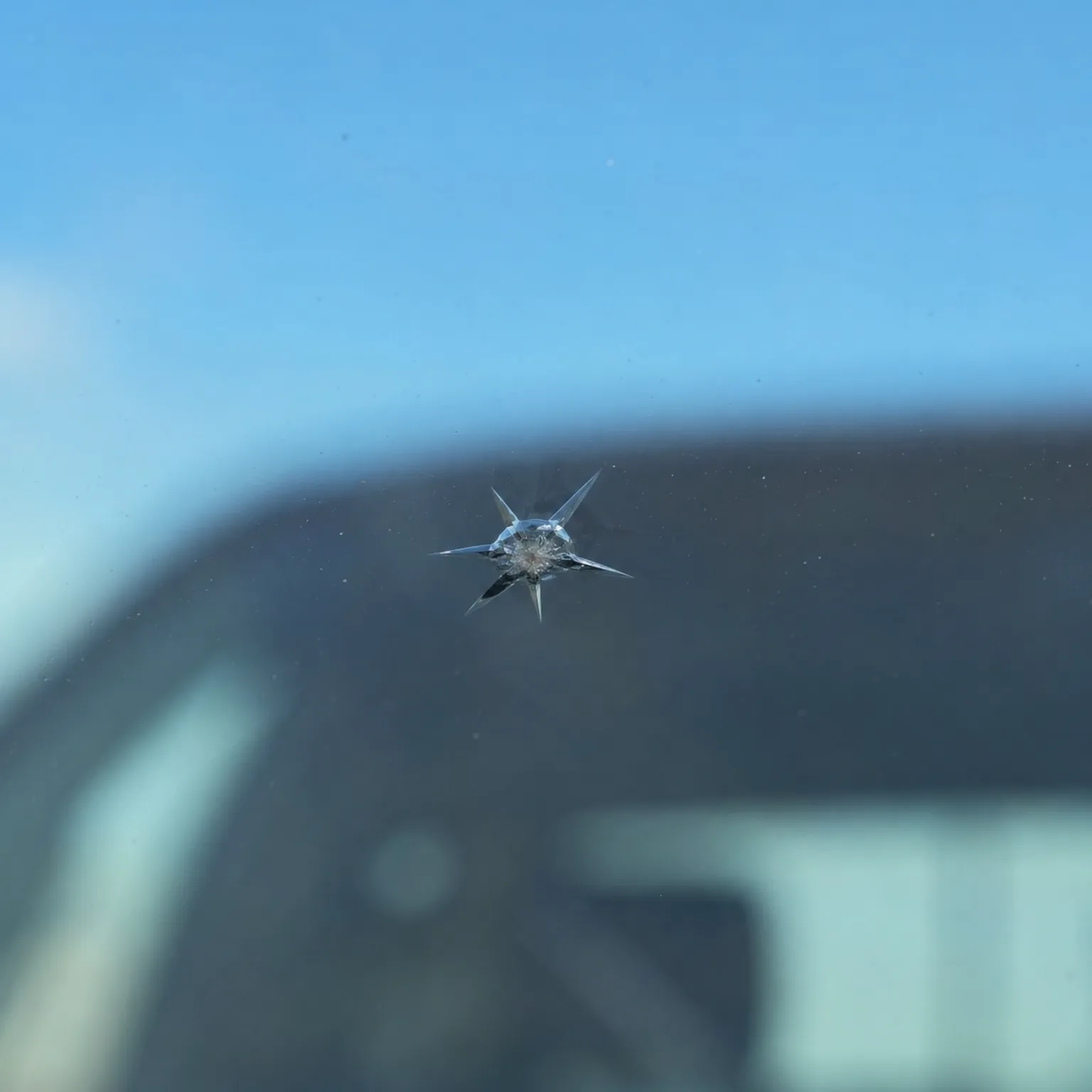
Comprehensive claims, like storm damage or a break-in, work differently because there's often no other driver to blame. In those cases the deductible almost always applies, since the loss isn't caused by a person your insurer can collect from. Some policies do offer reduced or waived deductibles under specific conditions, such as using a preferred repair shop or carrying a special endorsement, so it's worth checking your declarations page for anything like that.
What changes the outcome is fault, documentation and the type of claim you filed. If liability is contested, your deductible may apply up front and get refunded later once fault is sorted out. That's not a loophole, it's just how the timing works when insurers are still figuring out who pays.
What actually determines whether you pay it
- Who was at fault If another driver is found responsible, their liability coverage pays and your deductible doesn't apply. Make sure the claim is coded against their policy, not yours.
- Subrogation refunds If your insurer later recovers money from the at-fault party, you may get your deductible back. Ask your adjuster whether subrogation is being pursued and how long it typically takes.
- Comprehensive vs collision Storm, theft and vandalism claims almost always carry a deductible since there's no other driver to bill. Check your policy for any waiver tied to a specific repair shop or endorsement.
- Special endorsements Some policies include deductible waivers for glass repair or for using a preferred shop. Look at your declarations page or call your insurer to confirm if you have one.
- Disputed fault When liability isn't settled yet, you may need to pay your deductible first and get reimbursed later. Ask your adjuster for a timeline so you know what to expect.

Knowing whether your deductible applies or comes back to you, compare quotes to see how insurers handle it.

Should you push to find out who's really at fault
If you do
You ask your adjuster directly whether liability has been determined and whether subrogation is being pursued. You get a clear answer sooner, know whether to expect a refund, and can plan your finances without guessing. If fault is contested, you also learn what evidence might speed things up.
If you don't
You assume your deductible is final and move on without checking. If the other driver was actually at fault, you could miss a refund you were owed because no one followed up. You also lose the chance to push the claim toward a faster resolution.
A parked car hit in a lot with no witness in sight
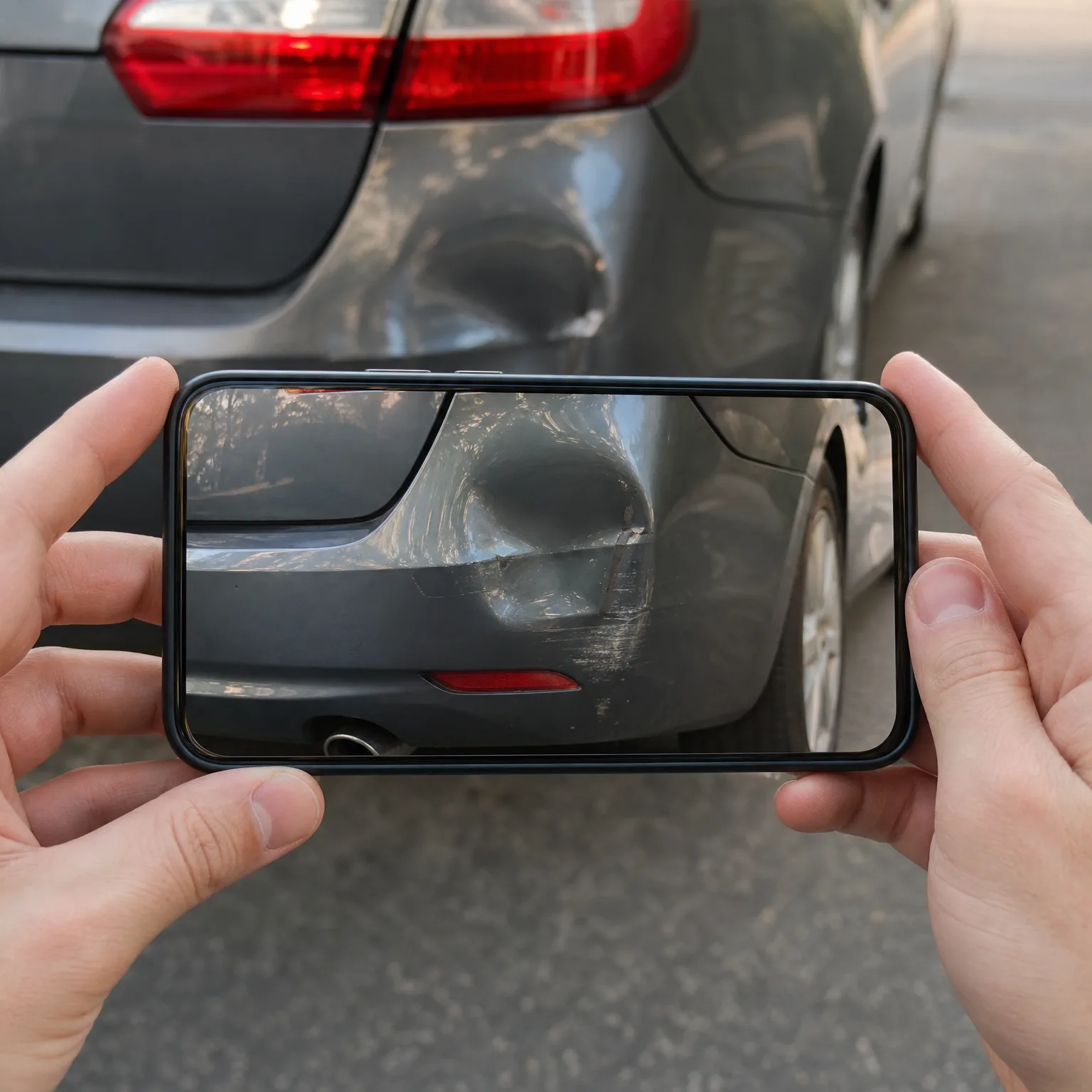
You come back to your car and find a long dent and no note. You file a comprehensive claim since there's no other driver identified, and your insurer tells you the deductible applies because this is treated as an unknown-party loss. You pay it, get the repair done, and the claim closes.
A week later your insurer calls. Traffic camera footage from a nearby business identified the other vehicle, and that driver's insurer has accepted fault. Because your insurer pursued subrogation, they recover the repair cost from the other policy and refund your deductible. The outcome shifts entirely once fault is established, even though nothing about the damage itself changed.
Can I ask my insurer to waive my deductible?
Generally no, since the deductible is part of your policy contract and isn't optional on a case-by-case basis. The only way around it is if fault shifts to another driver or if your policy includes a specific waiver, like for a preferred repair shop or glass coverage. Check your declarations page for any such clause, and ask your adjuster directly if one might apply to your claim.
How long does subrogation take to get my deductible back?
There's no fixed timeline, since it depends on how quickly the other insurer accepts fault and pays out. It can take anywhere from a few weeks to several months, especially if liability is contested or the other driver disputes the claim. Ask your adjuster for status updates, and keep any correspondence in case you need to follow up later.
Does my deductible go toward my total payout or get added on top?
It's subtracted from your payout, not added to it, since it's the portion of the repair cost you agreed to cover yourself. If your car is totaled, the deductible is subtracted from the settlement value before you receive payment. Check your policy declarations to confirm your exact deductible amount for each type of coverage.