Rental Coverage During a Claim
You get a rental during your claim only if you added rental coverage or the at-fault driver's insurer has accepted liability.
Rental coverage depends on who's paying and what you bought
Your own insurer will only pay for a rental car if you specifically added rental reimbursement coverage to your policy before the claim started. It's a separate line item, not something that comes automatically with collision or comprehensive coverage. If you didn't add it, your insurer has no obligation to put you in a rental while they handle your claim, even if the accident wasn't your fault.
If another driver caused the accident, the path is different. Their insurer is responsible for the damage they caused, and that includes giving you a comparable car to drive while yours is repaired. This only applies once liability is established, meaning their insurer has accepted that their driver was at fault. Until that happens, you're either using your own rental coverage or paying out of pocket and seeking reimbursement later.
The type of car you get also varies. Most rental reimbursement coverage pays up to a daily amount and a total cap, so you may need to cover the difference if you want a larger vehicle. When the other driver's insurer is paying, they typically aim to match the type of car you were driving, not upgrade you. Check your policy or the claim paperwork for the specific daily and total limits, since these differ by insurer and by the policy you chose.
Storm damage, theft and hit-and-runs complicate things because there's no at-fault driver to pursue. In those cases, your own rental coverage is usually the only option unless your state has a specific program for uninsured or unidentified drivers. Check with your insurer directly, since state rules on this vary.
What to check before you assume you're covered
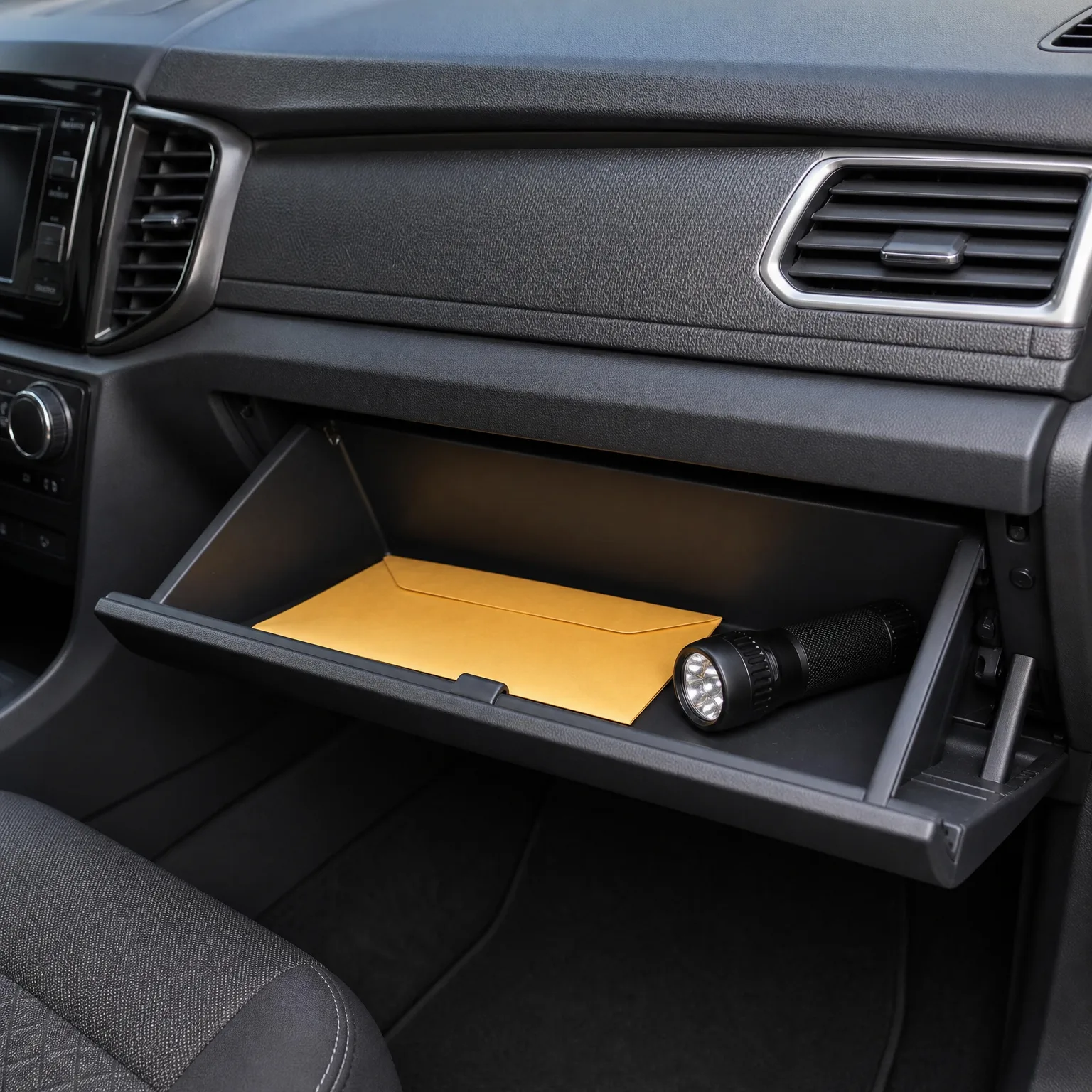
- Your declarations page This document lists exactly what coverages you paid for. Look for rental reimbursement or transportation expense coverage and note the daily and total limits if it's there.
- Fault determination status If another driver caused the accident, ask their insurer when liability will be decided. Until it's official, you may need to use your own coverage or pay upfront.
- Daily and total caps Rental coverage almost always has a daily dollar limit and a maximum number of days. Ask your adjuster what yours are so you can budget for any gap.
- Repair timeline estimate Ask the shop for a realistic repair window early. If it's longer than your rental coverage allows, you'll want to know that before the bills start piling up.
- Direct billing setup Ask whether the rental company can bill your insurer directly. This avoids you fronting the cost and waiting for reimbursement, which can take time.
What happens if my rental coverage runs out before repairs are done?
You become responsible for the rental cost once your coverage's daily or total limit is reached, regardless of why repairs are taking longer than expected. This is common when parts are backordered or the shop is backed up with other claims.
If another driver was at fault and their insurer is paying, ask them directly whether they'll extend the rental given the delay, since this is sometimes negotiable, especially if the holdup is on the repair shop's end rather than yours. If you're using your own coverage, call your insurer before the limit hits rather than after. Some will offer a short extension or help you understand your options. Keep records of the repair delay, including any communication from the shop, since documentation helps if you need to make a case for extended coverage.
Once you know who's responsible for your rental, compare quotes with the rental limits you actually need.

Deciding whether to add rental reimbursement coverage
If you do
You pay a small amount each policy period whether you use it or not. In exchange, if you're ever in an accident, especially one where fault takes time to sort out, you have a rental car arranged quickly without waiting on another driver's insurer or paying out of pocket while you wait for reimbursement.
If you don't
You save that small amount every period, but if you're in an accident, you're depending entirely on the other driver's insurer accepting fault before they'll pay for a rental. If fault is disputed, unclear, or there's no other driver at all, you cover the rental cost yourself until the claim resolves.
Can I choose any rental car company or am I stuck with one my insurer picks?
You can usually choose your own rental company, but direct billing arrangements are often easier with companies your insurer has a relationship with. If you pick an unlisted company, you may need to pay upfront and submit receipts for reimbursement, so ask your adjuster which option avoids that extra step.
Does using rental coverage affect my insurance rates later?
Using rental reimbursement coverage you already paid for typically doesn't raise your rates the way an at-fault accident claim might. Rate impacts come from the underlying claim and who was at fault, not from using a coverage you're entitled to. Check with your insurer since rating rules vary by company and state.
What if the other driver's insurer is slow to approve my rental?
You can use your own rental reimbursement coverage first if you have it, then seek reimbursement from the other driver's insurer once liability is confirmed. If you don't have that coverage, ask the at-fault insurer for a timeline in writing and consider filing a complaint with your state's insurance department if delays are excessive.