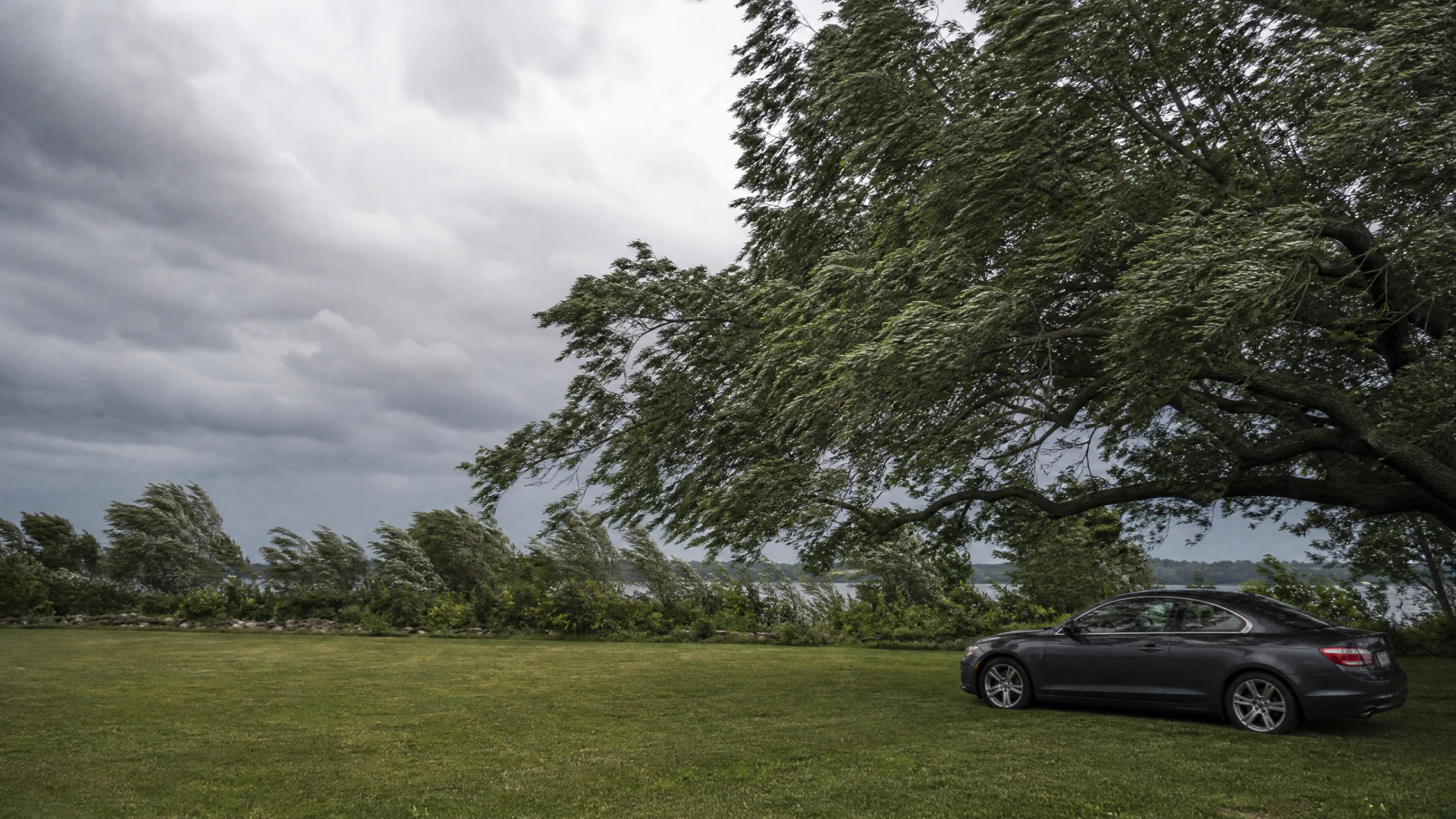
What to Do Instead of Renting a Car
If a rental isn't available or covered the way you expected, you have other ways to stay mobile while your claim and repairs move forward.
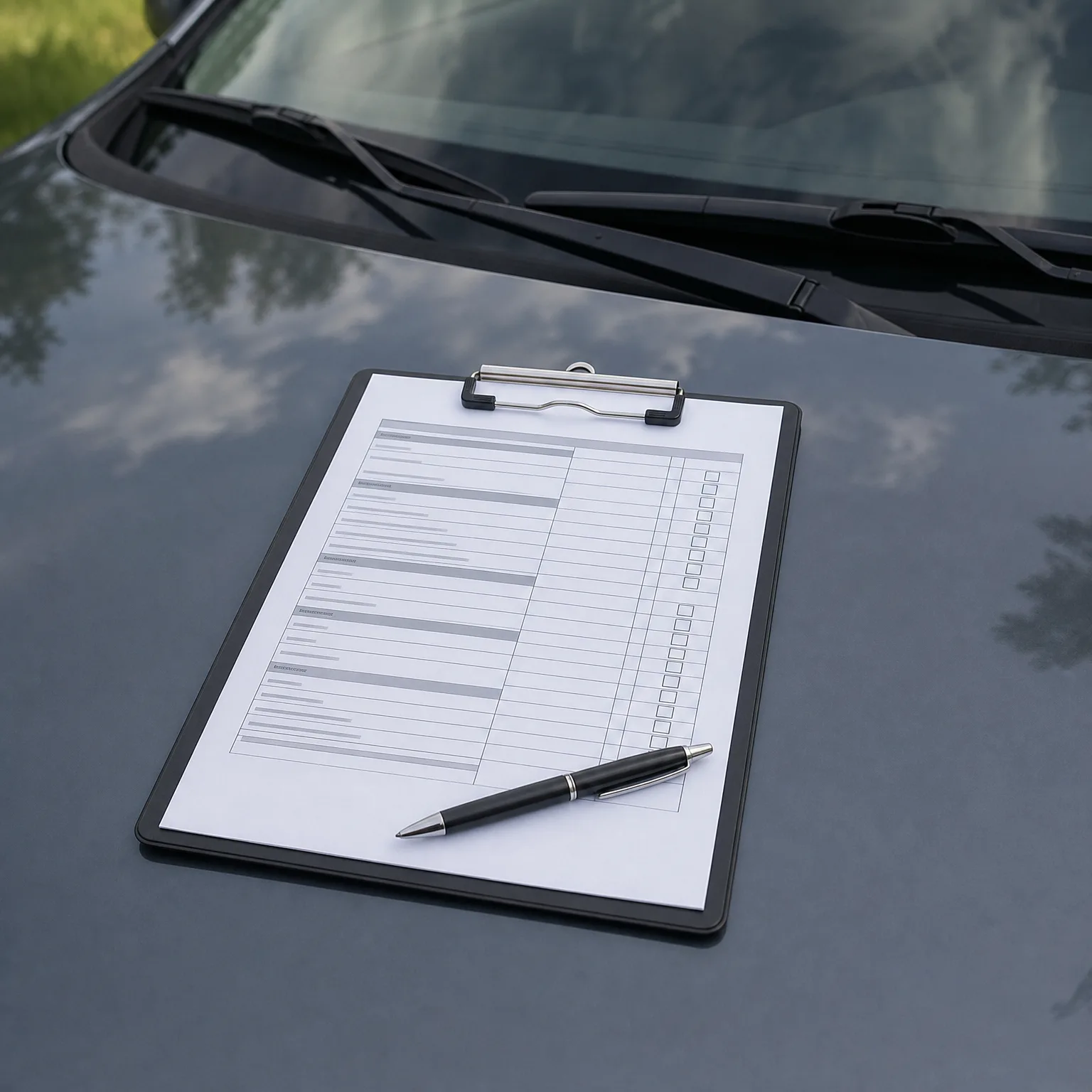
Options that work while you wait on a rental
- Check your rental coverage first Your policy may include rental reimbursement, but it's usually a separate coverage you had to choose when you bought the policy. Call your insurer and ask directly what your policy pays and for how long.
- Ask the other insurer directly If someone else caused the damage, their insurance may owe you a rental car directly while liability is being confirmed. This can take longer to arrange, so ask what proof they need and keep pushing for an answer.
- Try a peer car-sharing app Peer-to-peer car rental apps often have more available cars than traditional rental counters, especially after a storm or widespread damage event. Compare the total cost against what your policy reimburses before booking.
- Ask the shop for a loaner Some repair shops keep loaner vehicles for customers mid-repair, especially if they're doing the work directly for your insurer. Ask the shop when you drop off your car, not after the work has started.
- Track rideshare receipts instead If you only need a car occasionally, rideshare or taxi receipts can sometimes be reimbursed under certain policies instead of a rental. Save every receipt and ask your adjuster if this applies to your coverage.
Will skipping a rental car hurt my claim?
No. Whether you rent a car has nothing to do with whether your claim is valid or how much you'll be paid for the vehicle damage itself. Those are two separate parts of your claim, handled under different parts of your policy or the other driver's policy.
The only thing that changes is whether you get reimbursed for transportation costs during the repair period. If you choose not to rent, you simply don't use that benefit, and nothing is held against you. If you later decide you do need a rental, you can usually still request it as long as you're within the time the coverage allows, so ask before you assume the window has closed.
A rental is one option among several, not something you're required to use or lose.
Once you know how your rental coverage actually works, compare quotes to see if better terms are available.
A driver who used a loaner instead of a rental claim
A driver's car was hit in a parking lot and needed two weeks of bodywork. Their policy had rental reimbursement, but the daily limit was lower than what rental counters in their area were charging, so they'd have had to pay the difference out of pocket every day. Before booking anything, they asked the repair shop directly if a loaner was available.
The shop had one car on hand and let them use it for the full two weeks at no charge, since the shop was already coordinating the repair with the insurer. The driver kept their rental reimbursement benefit untouched in case they needed it for a future claim, and avoided the daily gap between what the rental would have cost and what their policy paid. When the car was ready, they returned the loaner the same day and picked up their repaired vehicle.
Why a rental car isn't your only option
Rental reimbursement is a specific coverage you either added to your policy or didn't, and it usually comes with a daily limit and a maximum number of days. Those limits exist because insurers are pricing a narrow benefit, not open-ended transportation. When your actual costs exceed those limits, which happens often with rental counters during busy periods, you're left covering the gap yourself unless you find another way to get around.
Repair shops, especially ones with steady relationships with insurers, sometimes keep their own loaner vehicles specifically to smooth over this gap. They have an incentive to keep you moving through the repair without friction, so it's worth asking even if no one offers it upfront.
If another driver caused the damage, their liability insurer may owe you a replacement vehicle as part of making you whole again, separate from your own policy's rental benefit. This process can take longer because liability has to be established first, so it's not always the fastest option even though it may ultimately cost you nothing.
The right choice depends on how fast you need a car, what your own policy actually covers, and whether fault has been determined yet. Check your declarations page for rental coverage details, and ask the shop and the adjuster separately what they can offer, since neither one will necessarily volunteer every option on their own.