What Are the Disadvantages of a Settlement
A settlement closes the door on asking for more later, even if your car costs more to fix than the check covers.
Once you accept, the claim is closed for good
When you settle, you're agreeing that the amount offered covers everything, now and later. If new damage shows up during repairs, or the shop finds a problem the adjuster's estimate missed, you generally can't reopen the claim to ask for more. That's the trade you're making for getting paid and moving on.
The insurer also isn't required to explain every assumption behind the number. They may have priced parts at a lower rate than your shop uses, or valued your car using listings you'd disagree with. You're allowed to push back before you accept, but once you sign off or cash the check, that leverage is gone.
There's also a timing cost. Settling quickly can mean settling before the full extent of the damage is known, especially with hidden frame or electrical issues that don't show up until a mechanic digs in. Waiting costs you time and maybe a rental, but it protects you from locking in a number that's too low.
This works differently depending on your state and your policy. Some states give you a window to dispute a total loss valuation even after accepting it. Some insurers will reopen a claim if you find new damage within a short period. Check your policy documents and your state's insurance department for what applies to you.
When the first number doesn't match the real damage
Say your car was hit in a parking lot and the adjuster's estimate came in lower than what your body shop quoted. You're tempted to just take the settlement and move on, especially if you need the car back fast. Instead, you ask the shop to write up a detailed supplement showing the extra parts and labor the adjuster missed, and you send it to the insurer before signing anything.
The insurer reviews the supplement and raises the settlement to match the shop's estimate. If you'd accepted the first number, you would have paid that difference out of pocket once repairs started. Because you waited and pushed back with documentation, the claim closed at a number that actually covered the repair. The lesson wasn't to distrust the first offer, it was to get the real cost in writing before agreeing to anything final.
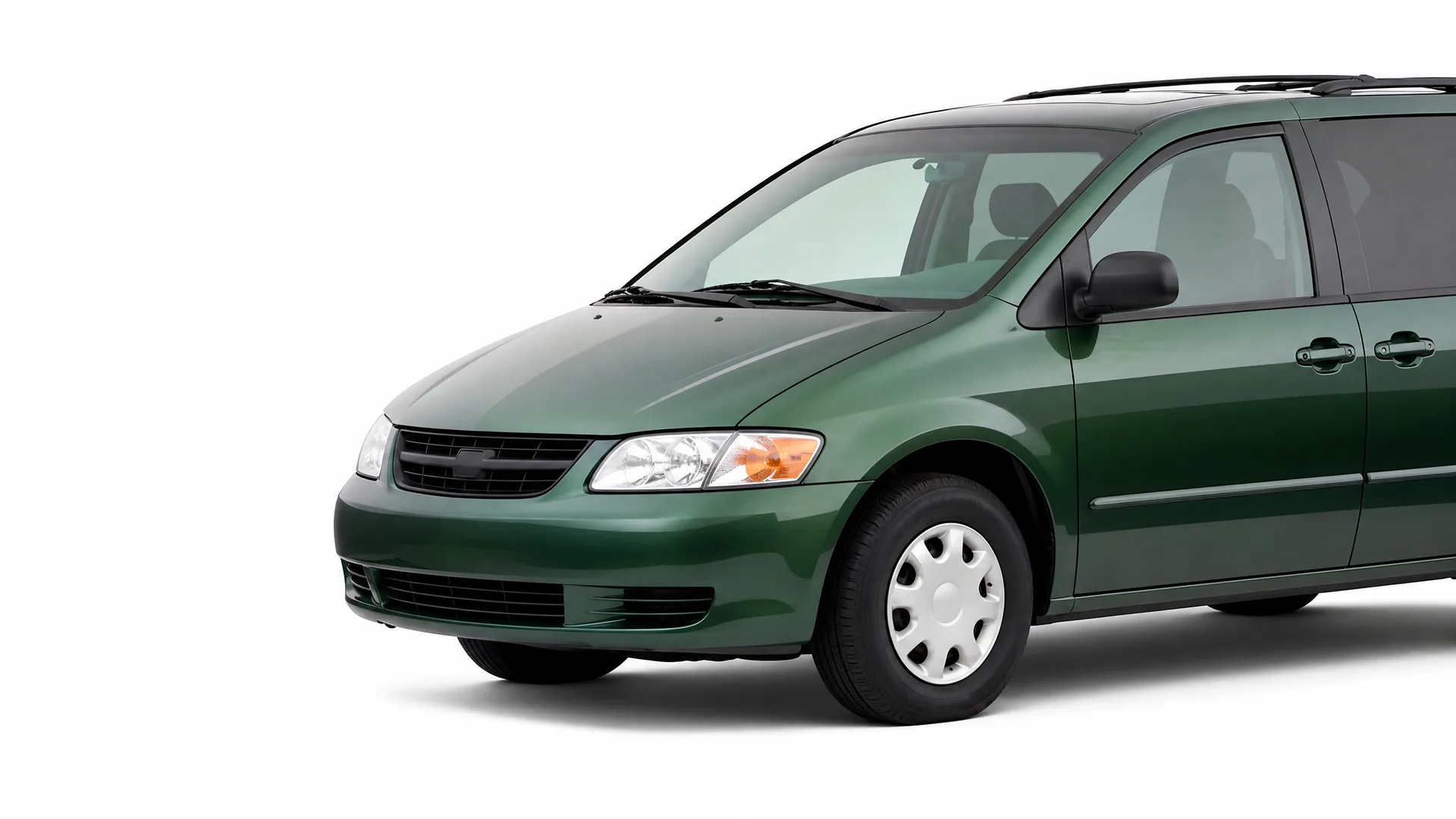
Treat the first number as a starting point, not the final word, because once you accept it you can't go back.
Once you know what a settlement locks in, compare quotes with a clear sense of what you're protecting.

Whether to accept the settlement now or push back first
If you do
You get paid faster and the claim closes. If the number was accurate, this is the simplest outcome. But if hidden damage or a higher repair cost shows up later, you likely can't reopen the claim, and you'll cover the difference yourself.
If you don't
You delay payment and may need a rental or out-of-pocket repairs a bit longer. In exchange, you get time to get a real shop estimate, question the valuation, and make sure the number actually covers the repair before it's final.
Can you negotiate a settlement after you've already accepted it?
Generally no, once you've accepted and the insurer has paid, the claim is considered resolved. That's the core risk of settling before you're sure of the full cost. The insurer isn't obligated to reopen it just because you later find the number was too low.
There are exceptions. Some states require insurers to allow a reopened claim within a set window if new damage is documented. Some insurers do this voluntarily to keep customers satisfied, especially if the shop can show the damage existed at the time of the accident. Check your state's insurance department rules and read your policy's claims section before assuming either way. If you're unsure whether the settlement is final, ask the adjuster directly and get the answer in writing before you sign or cash anything.