When Not to Accept a Settlement Offer
Don't accept a settlement offer until the full cost of repairs and any losses are actually known.
A fair-sounding number that didn't hold up
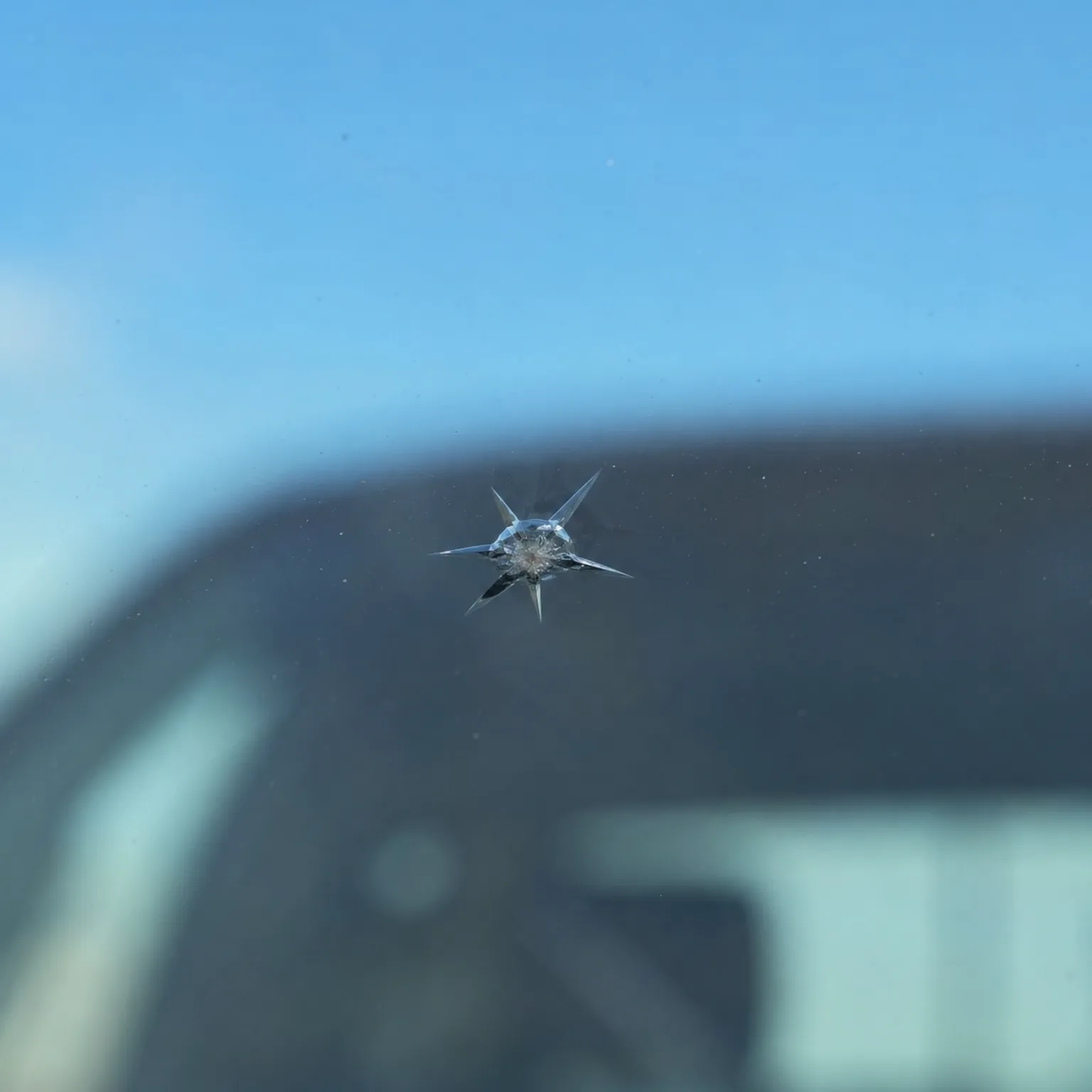
A driver's car was hit while parked outside their home. The insurer sent an estimate within a few days and offered a check for the repair cost listed, asking for a quick sign-off so the claim could close. The driver almost accepted, since the number looked reasonable and they wanted the car fixed fast.
Before signing anything, they took the car to a body shop the insurer hadn't chosen and asked for a separate estimate. The shop found frame damage the first inspection missed, pushing the real repair cost well past the original offer. The driver brought both estimates back to the insurer and refused the first number until the gap was explained. The claim took longer to close, but the eventual payout covered the actual repair instead of the adjuster's first guess.
What happens if you already cashed the check?
In many cases, cashing a settlement check ends the claim, especially if the check or an attached letter says it's final payment. Once you deposit it, the insurer can treat that as acceptance even if you didn't sign a separate release.
Some checks are partial payments, not final settlements, and depositing those doesn't close anything. The check itself or the paperwork around it should say which kind it is, and if that isn't clear, call the insurer and ask before you deposit it. If you've already cashed a final check and new damage turns up, you can still try to reopen the claim, but it's a harder conversation and isn't guaranteed to work.

Once you know what your claim should actually be worth, compare quotes with that number in hand.
Whether you accept the offer now or wait it out
If you do
The claim closes and you get paid quickly, often within days. But you give up the right to ask for more later, even if repair costs come in higher or a problem shows up after the car's back on the road. There's usually no reopening it once you've signed.
If you don't
You keep the right to negotiate, get a second estimate, or wait for a full diagnosis. The tradeoff is time. You may wait longer for a rental, repairs, or a final number, and you'll need to follow up yourself instead of letting the claim close on its own.
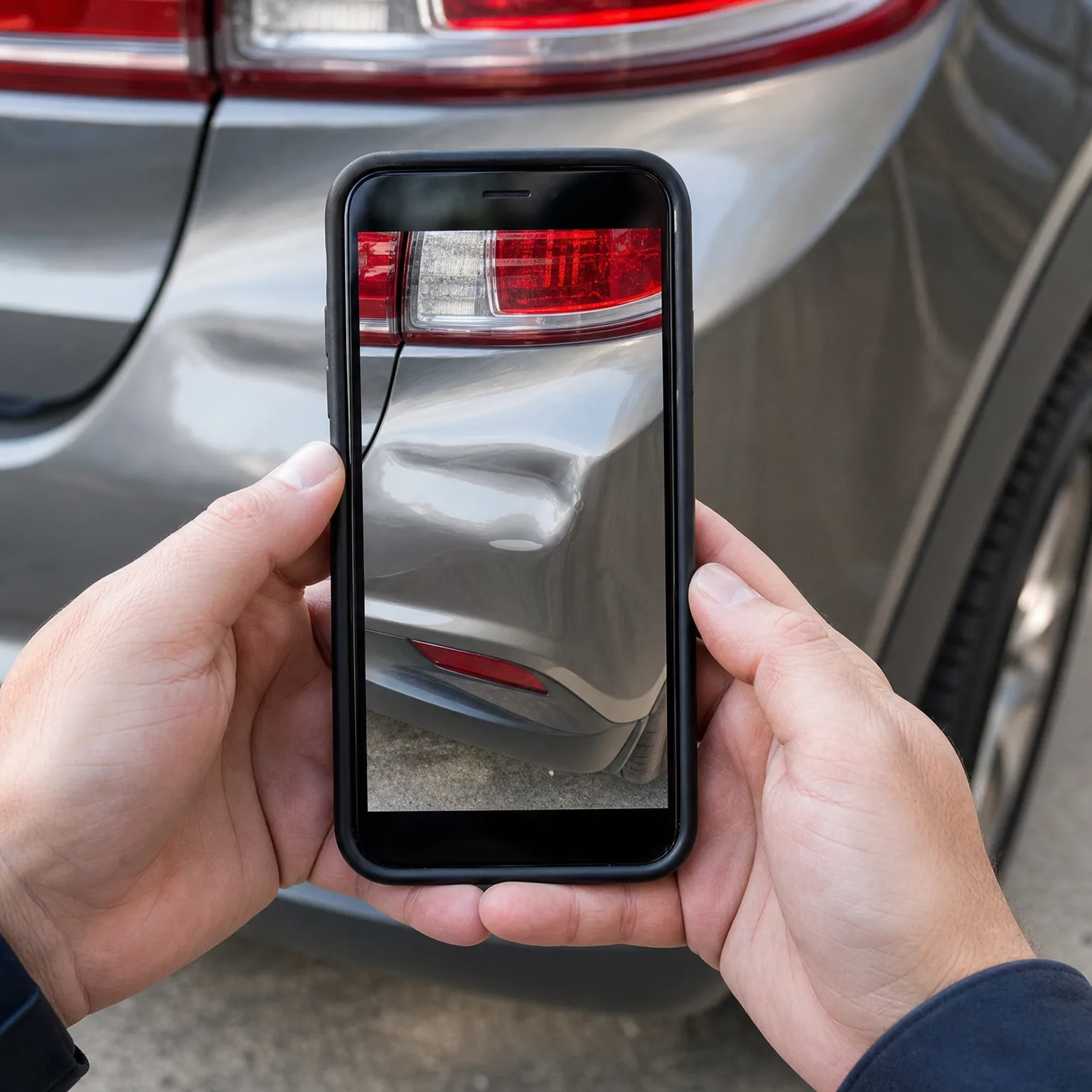
Signs the offer is coming too soon or too low
- No independent estimate yet If the only number comes from the insurer's own inspection, you have nothing to compare it against. Get a second estimate from a shop of your choice before deciding.
- Damage not fully diagnosed Hidden damage like frame or electrical issues often shows up only once a shop opens the car up. Wait for a full teardown estimate, not just a visual one.
- Rental or injury costs unknown If you're still using a rental or seeing a doctor, the total cost of the claim isn't settled yet. Don't sign until those numbers are final.
- Unclear vehicle value used If the car is being declared a total loss, check how they calculated its value against similar local listings. Ask for the comparison data if it wasn't included.
- Pressure to sign quickly A tight deadline on an offer is a negotiating tactic, not a real limit. Ask what happens if you take more time, and get the answer in writing.
An offer is a starting point the insurer picked, not the final word on what your claim is worth.